Green Decor And Eco-Friendly Lifestyle Ideas: Transform Your Living Space Sustainably

The growing urgency to address climate change has pushed sustainable living from trend to necessity. Green decor and eco-friendly lifestyle ideas offer practical ways to reduce your environmental footprint while enhancing your home’s aesthetic. According to the EPA, households contribute nearly 30% of total waste and energy use in the U.S., highlighting the critical role of eco-conscious choices in our living spaces. However, sustainable living is often mistaken for sacrificing style or comfort. This article uncovers effective, stylish, and practical strategies for embracing green decor and eco-friendly living.
Why Green Decor Matters More Than Ever
Green decor isn’t just about picking plants or using recycled materials; it’s a commitment to reducing harmful impacts caused by conventional home products. For instance, many traditional paints and furnishings release volatile organic compounds (VOCs) that contribute to indoor air pollution. Studies show that these pollutants can worsen respiratory conditions and decrease overall wellbeing. Therefore, selecting low-VOC or zero-VOC paints and sustainably sourced furniture enhances indoor air quality, promoting healthier living.
Additionally, green decor supports biodiversity and reduces reliance on finite resources. For example, furniture crafted from reclaimed wood or bamboo not only prevents deforestation but often boasts superior durability and unique designs. According to the World Wildlife Fund, responsible forestry practices can safeguard ecosystems while meeting consumer demand. Hence, every eco-friendly choice directly contributes to preserving natural habitats.
Practical Green Decor & Eco-Friendly Lifestyle Ideas for Your Home
Embracing a greener lifestyle starts with small, manageable changes. Here are some actionable ideas to integrate sustainability into your decor and daily habits:
- Opt for Natural Materials: Choose organic cotton, linen, wool, or hemp for textiles like curtains and upholstery. These materials biodegrade easily and require fewer chemicals to produce.
- Use Energy-Efficient Lighting: Switch to LED bulbs, which consume 75% less energy and last 25 times longer than incandescent bulbs. Smart lighting systems also help reduce unnecessary electricity use.
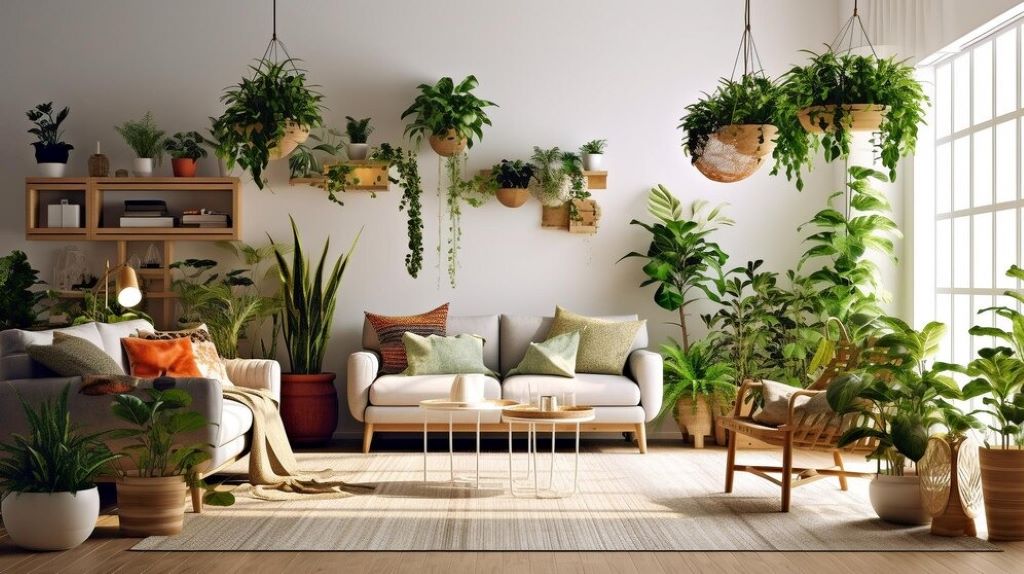
- Incorporate Indoor Plants: Beyond aesthetics, houseplants like spider plants and peace lilies improve air quality by filtering toxins. NASA’s Clean Air Study supports their effectiveness in reducing indoor pollutants.
- Upcycle and Repurpose: Instead of discarding old furniture, consider refinishing or repurposing items. This approach reduces landfill waste and creates unique decor pieces that tell a story.
- Invest in Eco-Friendly Furniture: Look for certifications like FSC (Forest Stewardship Council) or GREENGUARD, which verify sustainable sourcing and low chemical emissions.
Implementing these ideas simultaneously improves your home’s ambiance and reduces your ecological footprint, proving that style and sustainability can coexist.
Eco-Friendly Lifestyle Ideas Beyond Decor
Sustainable living extends beyond what fills your rooms. It involves daily habits and mindful consumerism. For example, reducing single-use plastics and favoring bulk shopping can significantly cut household waste. The EPA estimates that Americans generated 292.4 million tons of municipal solid waste in 2018, of which 75% was recyclable or compostable. Therefore, committing to waste segregation and composting reduces environmental strain and fosters a circular economy.
Energy conservation is another critical lifestyle change. Installing programmable thermostats, upgrading insulation, or using solar panels can drastically lower energy consumption. A report from the International Energy Agency found that residential energy efficiency could reduce global carbon emissions by over 20% by 2040. These steps not only benefit the planet but can also lead to substantial financial savings.
Furthermore, sustainable food choices, like supporting local farms or growing your own herbs, align perfectly with an eco-friendly lifestyle. Food transportation accounts for a significant portion of carbon emissions, and home-grown produce minimizes this footprint while enhancing freshness.
Overcoming Challenges and Misconceptions
Many people hesitate to adopt green decor and eco-friendly lifestyles due to perceived high costs or complexity. While some sustainable products do carry a premium price, long-term savings and health benefits often outweigh initial investments. For instance, energy-efficient appliances may cost more upfront but reduce utility bills over time. Additionally, thrift stores and online marketplaces offer affordable eco-friendly options, debunking the myth that sustainability equals expensive living.
Moreover, the misconception that sustainable choices limit design creativity holds little truth. Green decor encourages innovation through natural textures, earthy tones, and handcrafted pieces, resulting in a distinctive and inviting environment.
Insights from Experts
Interior designers like Kelly Edwards emphasize blending sustainability with aesthetics by “prioritizing timeless pieces that age gracefully, rather than fast-fashion decor.” Environmental scientists also advocate for holistic approaches, stressing that “true eco-friendly living combines mindful consumption, energy efficiency, and waste reduction.”
Relevant FAQs
-
What are the best materials for eco-friendly home decor?
Natural fibers like organic cotton, bamboo, reclaimed wood, and recycled metals are ideal for eco-friendly decor.
-
How can I make my home more energy-efficient?
Use LED lighting, upgrade insulation, install smart thermostats, and consider renewable energy sources.
-
Are eco-friendly products more expensive?
Some are, but many offer savings over time through durability and lower energy costs.
-
Can indoor plants really improve air quality?
Yes, plants like snake plants and peace lilies absorb toxins and increase oxygen levels indoors.
-
How does green decor contribute to sustainability?
It reduces reliance on non-renewable resources, lowers emissions, and improves indoor health.
-
Is it possible to have stylish green decor?
Absolutely; sustainable decor emphasizes natural beauty, texture, and timeless design.
-
What lifestyle changes complement green decor?
Reducing waste, conserving energy, buying local food, and minimizing plastic use are key complementary habits.
Final Thought
Adopting green decor and eco-friendly lifestyle ideas is more than an aesthetic choice—it’s a commitment to a healthier planet and a sustainable future. By blending practical steps with thoughtful design, anyone can transform their living spaces without compromising style or comfort. Remember, each small change contributes to a global impact, proving that sustainable living is both achievable and rewarding. Embrace these ideas today and inspire others to follow a greener path.
Read More: Sustainable Living Tips And Green Home Products: A Smarter Way to Save the Planet

Similar Posts