Zero-Waste Cleaning Swaps for the Home

As awareness around environmental issues grows, so does the demand for sustainable lifestyle choices. One of the simplest yet most impactful changes you can make is embracing zero-waste cleaning swaps for the home. The cleaning products we use daily often come in plastic packaging, contain harmful chemicals, and contribute significantly to landfill waste. According to the Environmental Protection Agency, Americans generated over 292 million tons of municipal solid waste in 2018, with plastic waste accounting for roughly 12% of that. This staggering figure highlights the urgent need to reconsider our cleaning habits.
Zero-waste cleaning is about more than just ditching plastic bottles—it’s about rethinking how we maintain hygiene and cleanliness without harming the environment. These swaps help reduce pollution, protect water systems, and create healthier living spaces free from toxic chemicals. This article explores practical, eco-friendly alternatives, supported by insights from environmental experts, industry statistics, and real-world examples.
Why Zero-Waste Cleaning Matters
The cleaning industry is notorious for its environmental footprint. Traditional cleaning products contain synthetic chemicals like ammonia, chlorine, and phthalates. These substances often pollute waterways and impact aquatic life. Additionally, packaging waste from these products contributes to plastic pollution, which takes centuries to decompose. The average household throws away approximately 30 pounds of plastic packaging annually, much of it linked to cleaning supplies.
On the other hand, adopting zero-waste cleaning swaps cuts down waste and chemical exposure. It empowers consumers to make conscious choices that positively impact the planet. Studies show that when individuals switch to eco-friendly products, they experience better indoor air quality and fewer allergic reactions.
Effective Zero-Waste Cleaning Swaps You Can Make Today
- Refillable Cleaning Products
Instead of buying new plastic bottles every time, opt for refill stations. Many stores now offer concentrated cleaning solutions that customers dilute and refill reusable containers. This reduces plastic waste significantly. According to a 2022 survey by GreenBiz, refillable products can cut plastic packaging waste by up to 50%. - DIY Natural Cleaners
Common household ingredients like vinegar, baking soda, and lemon are powerful cleaners. Vinegar’s acidic nature breaks down grime, while baking soda deodorizes and removes stains. Lemon’s natural antiseptic properties help disinfect surfaces. These ingredients generate zero packaging waste if purchased in bulk or from zero-waste stores. - Reusable Cleaning Cloths
Replace disposable paper towels with washable microfiber or cotton cloths. These alternatives last for hundreds of uses and reduce landfill contributions drastically. A study by the Sustainable Packaging Coalition found that replacing paper towels with reusable cloths can reduce household waste by nearly 20%. - Compostable Sponges and Scrubbers
Traditional synthetic sponges shed microplastics, harming marine ecosystems. Compostable alternatives made from natural fibers like cellulose or coconut husks decompose fully after use, offering an eco-friendly cleaning option without sacrificing effectiveness. - Plastic-Free Packaging
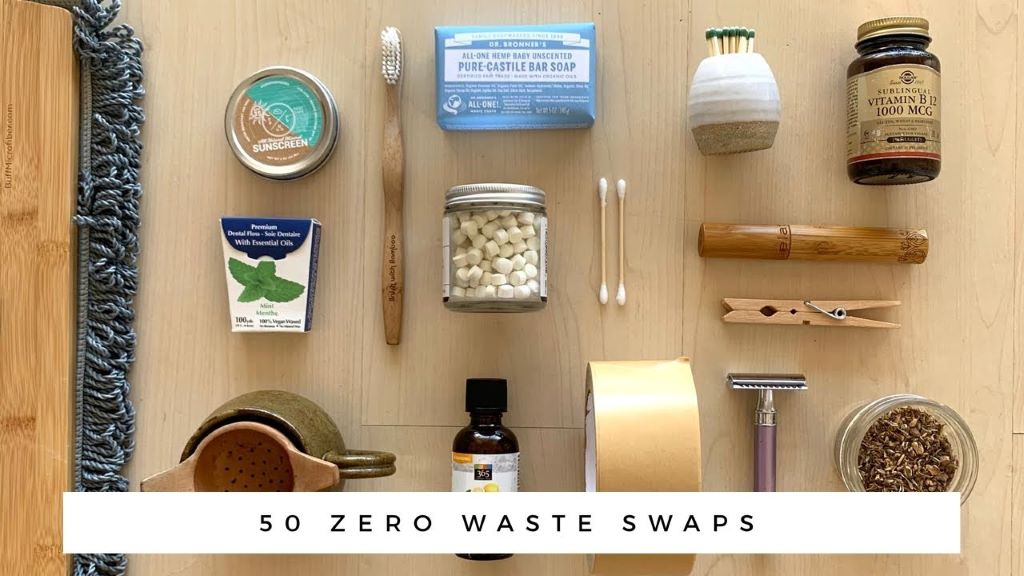
Look for products packaged in glass, metal tins, or cardboard. These materials are more sustainable and easier to recycle than plastic. For example, cleaning powders or bars often come in minimal packaging, cutting down excess waste.
Real-World Impact and Expert Opinions
Experts emphasize that zero-waste cleaning swaps should be viewed as part of a larger lifestyle change. Dr. Anna Watson, an environmental scientist, says, “Small changes in household habits can collectively lead to significant environmental benefits if adopted widely.” Additionally, companies like Method and Ecover have revolutionized the market by offering biodegradable formulas and sustainable packaging, proving green cleaning can be effective and desirable.
Moreover, consumer behavior studies reveal that people are willing to pay more for sustainable cleaning products. Nielsen reports that 73% of global consumers would change consumption habits to reduce environmental impact. This growing trend pushes brands to innovate, making eco-friendly cleaning solutions more accessible and affordable.
How to Transition Smoothly to Zero-Waste Cleaning
Start by identifying your cleaning routine’s biggest sources of waste. Replace disposable items first, such as paper towels and plastic bottles. Gradually introduce homemade cleaners to simplify your supply chain and avoid overbuying. Keep an eye on brands offering refill stations or subscription models to save money and reduce plastic consumption.
Additionally, educating your family or roommates about the benefits encourages collective action and maintains consistency. Online communities and eco-conscious blogs provide recipes, product reviews, and support to make the transition enjoyable.
FAQs About Zero-Waste Cleaning Swaps for the Home
- What are the best natural ingredients for cleaning at home?
Vinegar, baking soda, lemon juice, and castile soap top the list for their versatility and safety. - Are zero-waste cleaning products as effective as conventional ones?
Yes, many eco-friendly products match or exceed conventional cleaners’ performance without toxic chemicals. - How do I safely store homemade cleaning solutions?
Use glass spray bottles and label them clearly. Keep solutions away from children and pets. - Can zero-waste cleaning products save money?
In the long run, yes. Bulk purchases and refill systems reduce packaging and frequent repurchasing. - What if I have allergies or sensitivities?
Natural cleaners often reduce exposure to irritants, but always test new ingredients cautiously. - Where can I buy zero-waste cleaning supplies?
Look for local zero-waste stores, farmers markets, or eco-friendly brands online like Package Free or Grove Collaborative. - How do I dispose of used natural cleaning cloths and sponges?
Cloths can be washed and reused extensively. Compostable sponges should be added to compost piles.
Final Thought
Switching to zero-waste cleaning swaps for the home is a powerful way to contribute to a cleaner planet. Not only do these swaps reduce plastic pollution and chemical exposure, but they also promote mindful consumption and healthier living environments. While the transition may require some initial effort, the rewards far outweigh the inconvenience.
By incorporating refillable containers, reusable cloths, natural cleaning agents, and compostable scrubbers, anyone can create a sustainable cleaning routine. This shift is not just a trend but a necessary evolution towards responsible living. For those ready to make an impactful change, embracing zero-waste cleaning offers a practical, affordable, and effective solution to reduce your environmental footprint at home.
References
- Environmental Protection Agency (EPA) — Municipal Solid Waste Report 2018
- Nielsen — Sustainability Report 2018
- GreenBiz — Refillable Packaging and Consumer Impact
Read More:

Similar Posts