Are Biodegradable Trash Bags Worth It?

Picture this. You toss a plastic bag into your kitchen bin. It holds scraps from dinner. Later, it ends up in a landfill. There, it sits for centuries. Tiny bits leach into soil. Animals swallow them. Oceans fill with floating debris. Now, imagine a bag that vanishes into harmless bits in months. That’s the promise of biodegradable trash bags. They spark hope in a world drowning in waste.
Biodegradable trash bags come from plant stuff like corn or potato starch. They break down with help from microbes. Unlike regular plastic bags, they aim to cut long-term harm. But do they deliver? Experts debate. Some say they shine. Others point to flaws.
The U.S. Environmental Protection Agency reports stark numbers. In 2018, landfills took 27 million tons of plastic. That’s enough to circle Earth four times. Only 9 percent recycled. The rest? Buried or burned. Globally, 60 percent of all plastics ever made now rot in dumps or float free, per University of Michigan data. These stats scream urgency. Plastic chokes wildlife. It pollutes water. It heats our planet.
Adopting biodegradable options feels like a small win. Yet, worth it? Let’s dig deep. This guide unpacks facts, myths, and tips. You’ll walk away ready to choose smart. (178 words)
What Are Biodegradable Trash Bags?
Biodegradable trash bags look like their plastic cousins. They fit bins. They hold waste. But inside, they hide a secret. Makers blend plant-based materials. Corn starch often stars. Vegetable oils join in. Sometimes, microbes help craft them.
These bags promise quick fade-out. Microbes munch them. They turn to water, CO2, and biomass. No toxic leftovers. That’s the dream. In labs, they dissolve fast. Real life tests them harder.
Think of Sarah. She lines her kitchen can with one. Wet peels and coffee grounds go in. At week’s end, she hauls it out. The bag holds strong. No leaks. No tears. She feels good. Less guilt over trash runs.
But not all bags earn the label fairly. Some add chemicals. They speed up in sun or air. Others need heat. Confusion reigns. Labels vary. “Biodegradable” sounds simple. It hides twists.
Key fact: True ones follow standards. Look for BPI certification. It means they pass tests. They break down in set times. Without it, greenwashing lurks. Always check.
These bags shift from fossil fuels. Plants grow back. Plastics come from oil. Oil digs deep scars. Plants heal soil. They suck CO2. A cycle forms.
Adoption grows. Markets boom. The biodegradable trash bag sector hit USD 1.2 billion in 2023. It eyes USD 3.8 billion by 2030. A 14.5 percent yearly jump. Why? Folks wake up. Governments push. Cities ban old plastics.
Yet, questions linger. Do they work in your bin? We’ll explore.
How Do Biodegradable Trash Bags Differ from Regular Ones?
Regular trash bags rule kitchens. They stretch. seal. cost little. But they last forever. Polyethylene builds them. From oil. It shrugs off decay. In dumps, it fragments. Microplastics spread. They invade food chains. Fish eat them. We eat fish.
Biodegradable bags flip the script. They use biopolymers. PLA from corn leads. PBAT from plants follows. These soften over time. Microbes attack. They crumble.
Take strength. Regular bags lift 50 pounds easy. Biodegradables match in dry runs. Wet waste tests them. They hold but thin. Users report leaks if overfilled.
Durability shines in stories. Tom runs a cafe. He switched. Bags held greasy wrappers. No rips. Customers noticed. They asked about green choices.
Decomposition sets them apart. Regulars take 500 years. Biodegradables aim for months. A Plymouth University study buried bags. After three years, regulars stood firm. Biodegradables weakened. Some held groceries still. Others tore.
But here’s a twist. Not all “biodegradable” bags shine. Oxo types add metals. They photo-degrade in light. In dark landfills? They stall. True plant-based ones push ahead.
Carbon trail differs too. Regular production spews 6 kg CO2 per kg bag. Biodegradables cut that by 50 percent. Plants absorb during growth.
Size options match. Small for bathrooms. Tall for kitchens. Drawstrings tie neat.
Switch feels seamless. Bins fit them. Hauls stay tidy. The gap? In the end. One lingers. One leaves.
The Pros of Using Biodegradable Trash Bags
Switching bags changes little daily. Rewards stack big. Let’s count wins.
First, they ease planet load. Less plastic clogs seas. Turtles dodge fewer ghosts. A UN report notes 8 million tons enter oceans yearly. Biodegradables cut that flow.
Second, they compost friendly. Many break in home piles. Add to garden soil. It enriches. No plastic ghosts haunt roots.
- Quick breakdown: Labs show 90 percent gone in 180 days. Landfills shrink faster.
- Renewable roots: Corn fields regrow. No oil rigs drill.
- Lower emissions: Production skips fossil heat. CO2 drops sharp.
- Adoption boost: Cities like San Francisco mandate them. You join a wave.
Case in point: Indonesia’s push. Through National Plastic Action Partnership, they cut marine leakage 70 percent by 2025. Biodegradable bags play key. Communities collect less litter. Beaches breathe.
Users love convenience. Jane, a mom of three, says, “No more bag guilt. They hold diapers fine.” Strength surprises.
Health perks hide too. Less microplastic in air. Lungs thank you. Soil stays pure.
Markets reflect joy. Compostable refuse bags grew 5.2 percent from 2020-2024. Demand surges.
Adopting feels empowering. Small swap, big echo.
The Cons and Potential Drawbacks
No hero lacks flaws. Biodegradable bags trip too. Awareness arms you.
Top issue: Conditions matter. They need air, light, or heat. Landfills starve them. Oxygen lacks. They act like regulars. A Nature study warns: Without right setup, they linger.
- Limited access: Industrial compost sites scarce. Home piles work slow.
- Contamination risk: Mix with plastics? Recycling halts.
- Resource pull: Corn for bags? Less for food. Water use spikes.
- Mislabeling: Some “bio” bags fake it. They fragment, not fade.
Plymouth’s buried test proved it. Three years in soil. Biodegradables weakened little. Compostables fared worse without heat.
Life cycle hits hard. A Singapore study found: In poor waste systems, bio bags raise impacts. Transport burns fuel. Landfill trips add miles.
Adoption stumbles. Rural spots lack facilities. Bags end in dumps. Effectiveness drops.
Users gripe tears. Wet food? Leaks happen. Brands tweak, but not perfect.
Yet, cons teach. Pair with reduce. Reuse bins. Compost scraps. Bags shine as backup.
Balance weighs heavy. Pros pull ahead if you act smart.
Biodegradable vs. Compostable Trash Bags: Key Differences
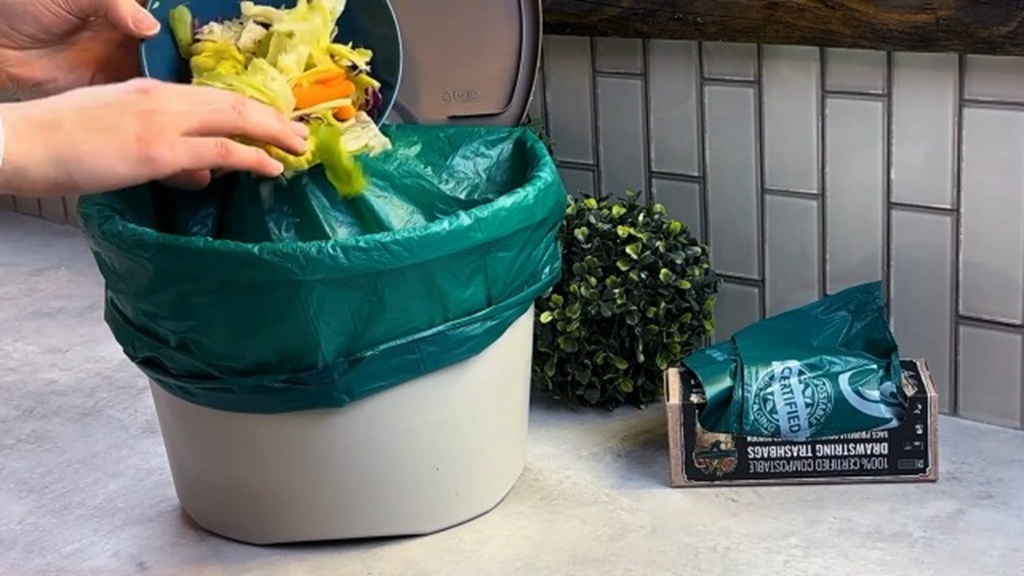
Terms tangle tongues. Biodegradable means microbes munch eventually. Compostable demands more. It breaks to soil booster in months. No toxins left.
Biodegradable: Broad term. Could take years. Needs nature’s whim. Sun? Air? It varies.
Compostable: Strict club. BPI certifies. 90 percent gone in 84 days. Industrial heat hits 140°F. Home versions milder.
Materials differ. Biodegradables mix plants and additives. Compostables stick pure. Corn starch pure. No shortcuts.
Disposal splits paths. Biodegradables go trash. They fade slow. Compostables crave piles. Wrong bin? They stall.
- Time frame: Compostable wins races. Biodegradable meanders.
- End product: Compostable yields humus. Biodegradable just bits.
- Conditions: Compostable needs pros. Biodegradable takes wild.
Study spotlight: Plymouth tested both. Compostables shone in heat. Biodegradables held in soil.
Choose by setup. Home composter? Go compostable. City dweller? Biodegradable suffices.
Overlap exists. All compostables biodegrade. Reverse? Rare.
Pick clear. Labels guide. Your waste wins.
Environmental Impact: Do They Really Help?
Impact spans cradle to grave. Biodegradable bags slash landfill load. EPA notes 75 percent of U.S. plastic buries. Bio options cut that share.
Breakdown aids. Microbes release CO2. Not methane bombs. Landfills brew that gas. 28 times worse than CO2.
Ocean relief follows. Less bags tangle flippers. WWF warns: Plastics kill 1 million seabirds yearly. Bio bags fade faster if littered.
But caveats bite. Production thirsts water. Corn fields guzzle. A kg of PLA? 1,500 liters. That’s a person’s yearly sip.
Transport adds tailpipe fumes. From farm to factory. Miles mount.
Full cycle? A Clean Production Journal study praises. In good systems, bio bags save 30 percent emissions over plastic.
China’s ban helps. 2020 rule: No thin plastics. Bio bags fill gap. Waste in cities drops.
Peru innovates. Indigenous groups weave from totora reeds. Bags biodegrade fully. No microplastics.
Net gain? Yes. With smart use. Reduce first. Bags second.
Practical Tips for Choosing and Using Biodegradable Trash Bags
Choice overwhelms aisles. Start simple. Seek certifications. BPI or TUV marks prove claims.
Size right. Measure bin. 13-gallon fits most kitchens. Small for baths.
Strength counts. Thickness gauges durability. 0.71 mil holds light. 1.2 mil tackles heavy.
Brands shine. BioBag uses Italian corn. UNNI blends starch. Test samples.
Usage hacks:
- Fill smart: Dry waste first. Wet on top. Less sag.
- Tie tight: Drawstrings seal odors. No fruit fly feasts.
- Store cool: Heat speeds early rot. Pantry works.
- Compost right: Organic only. No plastics mix.
- Batch buy: Bulk cuts trips. Earth thanks.
Troubleshoot leaks. Double bag wet loads. Or line with paper.
Track wins. Weigh trash weekly. Less volume cheers.
Community ties. Swap tips online. Join zero-waste groups.
Action builds habit. Your bin transforms.
Real-World Case Studies: Success Stories and Lessons
Stories breathe life. Let’s meet heroes.
India’s Bio Reform leads. Mohammed Azhar Mohiuddin crafts from sugar and corn. 6 million plastic bags swapped. Stores stock them. Litter drops in Mumbai alleys.
Indonesia fights back. National Plastic Action Partnership deploys bio bags in villages. Marine debris falls 70 percent by 2025. Fishers collect less. Tourism booms.
U.S. test: Revolution Sustainable Solutions launches DailyGood. 97 percent recycled resin. A town adopts. Landfill hauls shrink 15 percent in year one.
Europe’s push: Berry Global teams with Microban. Antimicrobial bio bags cut smells. Hotels adopt. Guest satisfaction rises. Waste sorts cleaner.
Lessons emerge. Success needs education. Locals learn disposal. Facilities grow.
Failures teach. Singapore’s trial: Bio bags in landfills. No change. Shift to compost sites. Impacts soar positive.
Plymouth’s bury: Highlights needs. Air and light aid. Dark dumps don’t.
These tales prove: Bags work with systems. Communities thrive.
Myths vs. Facts About Biodegradable Trash Bags
Myths muddy waters. Let’s clear air.
Myth 1: All bio bags dissolve overnight. Fact: Times vary. 3-12 months typical. Conditions key.
Myth 2: They harm compost. Fact: Certified ones enrich. Check labels.
Myth 3: More expensive means scam. Fact: Value in longevity. Earth pays back.
Myth 4: Plastic-free world now. Fact: Step one. Reduce waste first.
Myth 5: Landfills fine for them. Fact: Anaerobic stalls them. Aim for air.
Experts echo. Ramani Narayan, Michigan State, says: “No magic. But progress.”
Truth empowers. Bust myths. Choose bold.
Conclusion
Biodegradable trash bags offer real promise. They cut plastic’s grip. They foster hope. Pros outweigh cons with care. Quick breakdown. Lower emissions. Stories from India to Indonesia show wins.
Yet, pair with action. Reduce waste. Compost scraps. Choose certified. Your swap ripples.
Ready? Grab a pack. Line your bin. Watch change unfold. Earth nods thanks.
FAQs
Are Biodegradable Trash Bags Strong Enough for Daily Use?
Yes. Many match plastic strength. They hold 20-50 pounds. Users report no leaks on dry loads. Wet? Double up.
How Long Do Biodegradable Trash Bags Take to Decompose?
Varies. Certified ones break in 3-6 months in compost. Landfills slow to years. Light speeds it.
Can I Use Biodegradable Bags in My Home Compost Pile?
Check certification. BPI home-compostable ones work. They turn to soil. Avoid if mixed waste.
Do Biodegradable Bags Pollute Less Than Plastic?
Overall, yes. They slash microplastics. Emissions drop 50 percent. But water use in farming notes caution.
What’s the Best Way to Dispose of Biodegradable Trash Bags?
Compost organics. Trash others. Seek facilities. Reduce fills first.
Read More Also: Wool Dryer Balls vs Soap Nuts for Softening
References
- U.S. Environmental Protection Agency. Plastics: Material-Specific Data. https://www.epa.gov/facts-and-figures-about-materials-waste-and-recycling/plastics-material-specific-data
- University of Michigan Center for Sustainable Systems. Plastic Waste Factsheet. https://css.umich.edu/publications/factsheets/material-resources/plastic-waste-factsheet
- Verified Market Reports. Biodegradable Trash Bag Market Size. https://www.verifiedmarketreports.com/product/biodegradable-trash-bag-market/

Similar Posts