Sustainable Cleaners for a Greener Routine: Ditch Toxins, Embrace Green Living

Today’s households are making a bold shift toward healthier lifestyles—not just in diet and fitness, but in how they clean. A major contributor to this movement is the rise of sustainable cleaners for a greener routine. These environmentally conscious products aim to protect not just your home but also the world outside your window.
The Harsh Truth About Traditional Cleaners
Conventional cleaning products may promise spotless surfaces, but they come at a steep environmental cost. According to the Environmental Protection Agency (EPA), household cleaners contribute significantly to indoor air pollution. In fact, levels of air pollutants indoors can be 2 to 5 times higher than outdoors. Many commercial cleaners contain volatile organic compounds (VOCs), which contribute to smog formation and respiratory issues.
Moreover, the manufacturing process of chemical cleaners consumes vast resources and often releases harmful emissions into the atmosphere. These cleaners also wash down drains and enter waterways, disturbing aquatic life and ecosystems.
Why Sustainable Cleaning Matters Now More Than Ever
Sustainable cleaning isn’t a trend—it’s a necessity. With growing awareness of climate change and pollution, consumers are rethinking their cleaning habits. A report by Statista revealed that over 45% of global consumers prefer environmentally friendly cleaning products, and the number is rising annually.
This movement goes beyond simple green marketing. It’s about reducing waste, minimizing carbon footprints, and supporting ethical brands that prioritize both people and the planet. Sustainable cleaners offer an effective way to protect your family and the environment at once.
What Makes a Cleaner “Sustainable”?
To qualify as a sustainable cleaner, a product should meet several criteria:
-
Biodegradable ingredients: Break down naturally and pose no harm to ecosystems.
-
Non-toxic formulas: Free from harsh chemicals like ammonia, bleach, and synthetic fragrances.
-
Eco-friendly packaging: Recyclable, refillable, or made from post-consumer materials.
-
Cruelty-free testing: No animal testing at any stage of development.
Additionally, sustainable cleaners often use renewable resources, such as coconut-based surfactants or vinegar and citrus extracts, instead of petroleum-derived chemicals.
The Science Behind Green Cleaning Power
Many people doubt the effectiveness of eco-friendly products. However, this concern is often unfounded. A study from the University of Bergen found that regular exposure to harsh cleaning chemicals over 20 years was as harmful to lungs as smoking 20 cigarettes a day. In contrast, natural cleaning agents like hydrogen peroxide, baking soda, and citric acid offer powerful disinfection without the side effects.
Brands like Seventh Generation and Ecover invest in research and development to ensure their formulas perform just as well—if not better—than their traditional counterparts. Their cleaners often come with certifications like EPA Safer Choice, Leaping Bunny, or Cradle to Cradle, validating their safety and sustainability claims.
Pros and Cons: Different Perspectives
Proponents argue that sustainable cleaners are better for health, the environment, and even long-term budgets. Though the upfront cost may be higher, concentrated formulas and refill options reduce expenses over time.
Skeptics, however, voice concerns about performance and accessibility. In some rural areas or low-income households, green cleaners can still be hard to find or afford. Fortunately, DIY options using household staples like vinegar and baking soda are a viable, cost-effective solution.
Real-Life Examples of Green Cleaning Success
Many businesses and public institutions have adopted sustainable cleaning practices. For instance, the San Francisco Unified School District switched to green cleaning in all of its schools, resulting in improved student attendance and fewer asthma attacks.
Similarly, hotels like the Marriott International now use sustainable cleaners and linen reuse programs, proving that eco-friendly changes can scale effectively without sacrificing guest satisfaction.
Making the Switch: Tips for a Greener Cleaning Routine
Transitioning to a sustainable cleaning routine doesn’t need to happen overnight. Start small:
-
Audit your cleaning cabinet – Discard any toxic products responsibly.
-
Choose certified green brands – Look for trusted labels like Green Seal or EcoLogo.
-
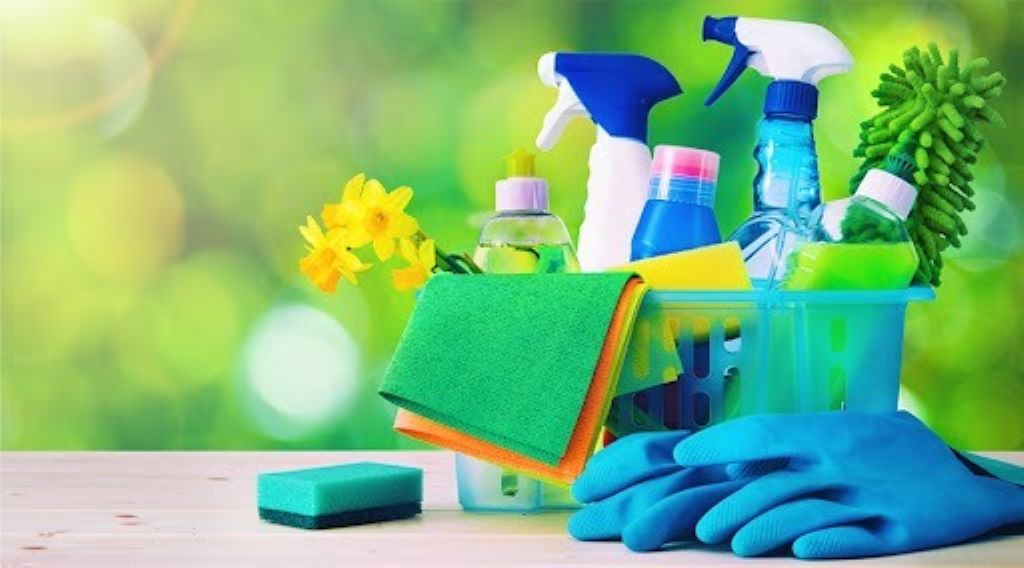
Go DIY when possible – Mix your own all-purpose cleaner with water, vinegar, and essential oils.
-
Use microfiber cloths – These reduce the need for chemical cleaners.
-
Support refill stations – Reduce plastic waste by refilling containers at eco-stores.
What to Look For When Shopping Green
Marketing can be misleading. Terms like “natural” or “eco-friendly” aren’t always regulated. Instead, rely on transparent ingredient lists and third-party certifications. Avoid products with vague descriptions or unfamiliar chemical names.
You can also explore websites like EWG’s Guide to Healthy Cleaning to compare products by safety rating.
Frequently Asked Questions
1. Are sustainable cleaners really as effective as chemical ones?
Yes. Modern green cleaners use plant-based ingredients and enzyme technology that rival or exceed traditional products.
2. Are DIY cleaners safe for all surfaces?
Mostly, yes—but always test a small spot first. Vinegar, for example, can damage natural stone surfaces.
3. Do sustainable cleaners cost more?
Initially, yes. However, concentrated formulas and refill options often reduce long-term costs.
4. Can I use sustainable cleaners with disinfectants?
Yes. Look for EPA-approved disinfectants that use natural ingredients, such as hydrogen peroxide.
5. Are these cleaners safe for pets and kids?
Generally, yes—especially if they’re non-toxic and fragrance-free. Still, store them safely.
6. How can I identify greenwashing?
Be skeptical of vague labels. Look for transparency, ingredient lists, and certifications from trusted organizations.
7. Are there sustainable cleaning services available?
Absolutely. Many local cleaning businesses now offer eco-friendly service packages with green-certified products.
Final Thought
The path to a cleaner home doesn’t need to harm the planet. By embracing sustainable cleaners for a greener routine, you’re making a powerful choice—for your health, your wallet, and the world. The evidence is clear: green cleaning works, and it’s here to stay. Whether you start small or go all-in, your shift to sustainability sends a clear message. It’s not just about keeping your home spotless; it’s about leaving a cleaner legacy for future generations.

Similar Posts