Reusable And Zero-Waste Products for Everyday Eco Living

In a world drowning in plastic, reusable and zero-waste products offer a practical solution for conscious consumers. Every year, over 300 million tons of plastic waste are produced globally, much of which ends up in our oceans and landfills. But there’s hope. Shifting to sustainable alternatives isn’t just an environmental gesture—it’s a lifestyle that can save money, improve health, and empower communities.
The Zero-Waste Movement: More Than a Trend
Zero-waste living is no longer a fringe movement. It’s a global response to environmental degradation. At its core, zero-waste means designing waste out of our lives. According to the Environmental Protection Agency (EPA), only about 32% of municipal solid waste was recycled in the U.S. in 2021. The rest? Burned or dumped.
People are choosing to live intentionally, and that starts with the everyday items we use—bags, bottles, cleaning supplies, even period products. As awareness rises, so does access to innovative, reusable products that truly make an impact.
Reusable Alternatives You Can Actually Stick With
Not all eco-products are created equal. Some are impractical or overpriced. Others change the game entirely. Let’s explore real options that blend functionality, style, and sustainability.
-
Reusable Water Bottles
Single-use plastic bottles are one of the worst culprits of waste. In the U.S. alone, 50 billion water bottles are used annually. Switching to a stainless steel or glass water bottle not only reduces this burden but also eliminates the risk of ingesting microplastics.
Popular brands like Hydro Flask or LARQ offer insulated bottles that keep drinks hot or cold for hours. LARQ even includes a self-cleaning UV light—a win for convenience and hygiene.
-
Beeswax Food Wraps
Plastic wrap has dominated kitchens for decades. Beeswax wraps now replace it with biodegradable, breathable fabric infused with beeswax and jojoba oil. These wraps last for months, mold around produce or containers, and are compostable after use.
While some critics argue they’re less sticky than plastic, most users adapt quickly. They work especially well for storing fruits, bread, and cheese.
-
Silicone Storage Bags
Ziplock bags are used once, then tossed. Reusable silicone bags, like those from Stasher, are durable, dishwasher-safe, and perfect for everything from snacks to sous-vide. They can withstand both freezer and microwave use.
Users love their versatility, although initial costs can be higher than single-use alternatives. However, their longevity makes them more cost-effective over time.
-
Compostable Toothbrushes
More than 1 billion plastic toothbrushes are thrown away each year in the U.S. alone. Bamboo toothbrushes with biodegradable handles offer a compost-friendly alternative.
Eco-friendly dental brands now offer subscription models, making it easier to maintain oral hygiene without harming the planet.
-
Menstrual Cups & Reusable Pads
A single menstruating person uses 10,000 to 16,000 pads or tampons in their lifetime. Reusable menstrual products—such as DivaCup, Saalt, or cloth pads—are not only sustainable but also cost-saving over time.
Some users face an adjustment period, but the long-term benefits outweigh the learning curve. These products also reduce exposure to chemicals found in disposable options.
-
Refillable Cleaning Products
Household cleaners are often sold in plastic bottles and filled with water. Brands like Blueland or Grove Collaborative sell concentrated tablets or solutions in reusable bottles, eliminating unnecessary plastic waste.
These kits are highly rated for their performance and aesthetics. Plus, they cut carbon emissions from shipping water-based products.
-
Reusable Grocery Bags
Plastic grocery bags take up to 1,000 years to decompose. Swapping them for cloth or recycled plastic tote bags can prevent hundreds of bags from entering landfills annually.
Some cities and countries now ban plastic bags altogether, making this switch a necessity rather than a choice.
Expert Tips for Transitioning to Zero-Waste Living
- Start Small: Pick one or two items to swap at a time. Overhauling everything at once can be overwhelming and expensive.
- Prioritize Quality: Cheap products often break, creating more waste. Invest in durable, long-lasting alternatives.
- Go Local: Support local zero-waste stores or co-ops to reduce packaging and transport emissions.
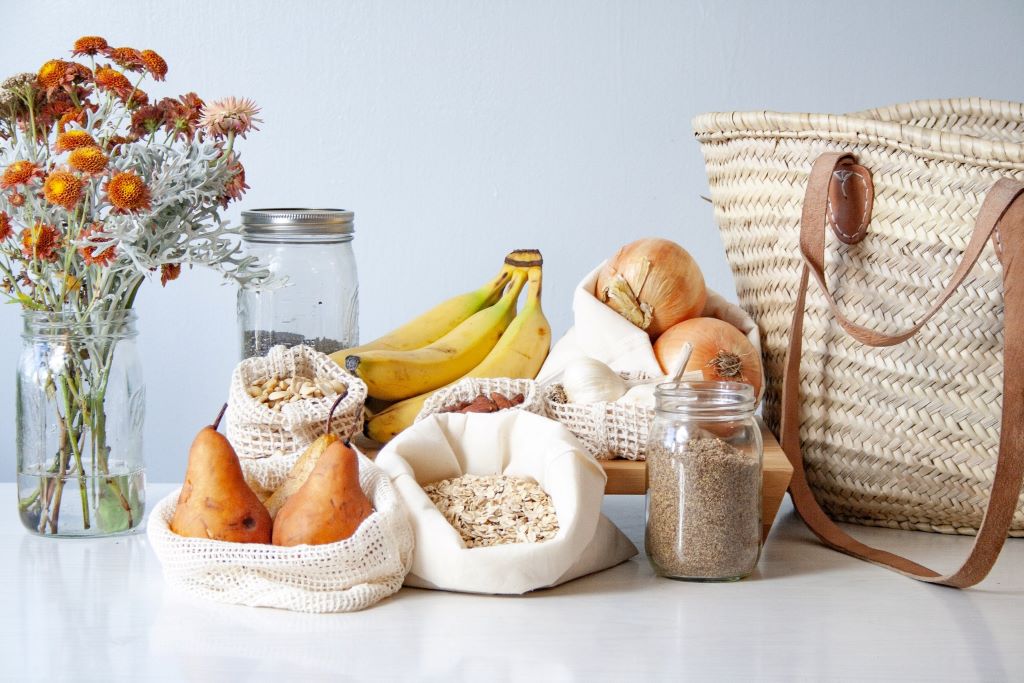
- Use What You Have: Reuse glass jars, containers, and bags before buying new products.
According to Zero Waste International Alliance, real progress comes from rethinking systems—not just replacing disposables with reusables. It’s about reducing consumption altogether.
Featured Snippet: How Can I Start Using Reusable & Zero-Waste Products in Daily Life?
Starting with reusable and zero-waste products doesn’t require a complete lifestyle overhaul. Begin by identifying disposable items you use regularly—water bottles, grocery bags, food wraps—and replace them with durable alternatives like stainless steel bottles, cloth bags, and beeswax wraps. Gradually expand to personal care and cleaning products. The key is consistency and intentionality. Choose quality over quantity, support brands with transparent sustainability practices, and reuse existing containers before buying new ones. Over time, these small shifts significantly cut down household waste and save money.
Professional tip: Keep a reusable kit in your car or bag—water bottle, utensils, straw, tote bag—so you’re always prepared.
Are Reusable Products Worth the Investment?
Absolutely. While some options carry a higher upfront cost, the long-term savings are significant. A reusable bottle can save over $1,200 annually if it replaces daily bottled water. Similarly, menstrual cups can last up to 10 years, saving hundreds compared to disposables.
Critics argue that production of reusable goods still consumes resources. That’s true, but lifecycle analyses show their environmental impact is far lower when used consistently over time.
Additionally, many brands now use recycled materials and ethical labor practices, making them a smarter choice from both ecological and social standpoints.
Final Thoughts: Zero-Waste Is a Journey, Not a Destination
Reusable and zero-waste products are tools, not magic fixes. They support a broader lifestyle of mindfulness, responsibility, and connection to the world around us. Embracing eco living doesn’t require perfection—just progress.
When millions make imperfect efforts, the collective impact outweighs the actions of a few doing it flawlessly. Whether it’s swapping a plastic straw for stainless steel or committing to a zero-waste kitchen, every action matters.
FAQs
- What are the best reusable items to start with?
Start with items you use daily—water bottles, grocery bags, and food containers. These provide the biggest impact. - How do I clean and maintain zero-waste products?
Most are dishwasher-safe. Others like beeswax wraps can be hand-washed with cool water and mild soap. - Are reusable products hygienic?
Yes, when cleaned regularly. In fact, many are safer as they avoid harmful chemicals found in single-use plastics. - Do zero-waste products really reduce environmental impact?
Absolutely. A single reusable cup can replace hundreds of disposables each year, cutting landfill waste dramatically. - Are these products suitable for families?
Yes. Brands now offer kid-friendly versions of bottles, utensils, and lunch boxes for easy adoption at home. - Where can I buy zero-waste products?
Look for eco brands online like EarthHero, Package Free Shop, or in local bulk and refill stores. - Is it expensive to live zero-waste?
Initially, yes—but long-term, it’s more economical. You buy less, waste less, and reuse more.
References:
- Environmental Protection Agency (EPA) Waste Reports: www.epa.gov
- Zero Waste International Alliance: www.zwia.org
- National Geographic Plastic Statistics: www.nationalgeographic.com
Let your eco journey start with a single product. You don’t have to be perfect—you just have to begin.
Read More: Sustainable Travel And Outdoor Gear for Eco-Friendly Adventures

Similar Posts