What Are Eco-Friendly Flooring Options Using Natural Plant Fibers

Natural plant fiber flooring offers sustainable alternatives to synthetic materials and hardwoods. These renewable resources reduce environmental impact while creating beautiful, durable floors. Homeowners increasingly choose plant-based options for their eco-friendly properties and unique aesthetic appeal.
Understanding available plant fiber flooring helps make informed decisions for renovation projects. This guide explores popular natural options, their benefits, installation considerations, and maintenance requirements for environmentally conscious homeowners.
Why Choose Plant Fiber Flooring
Plant-based flooring materials grow quickly and regenerate naturally. Unlike hardwood trees requiring decades to mature, plants like bamboo and cork reach harvest maturity in just a few years. Therefore, these materials reduce pressure on old-growth forests while providing quality flooring.
Manufacturing processes for plant fibers typically use fewer chemicals than synthetic flooring production. Natural materials also biodegrade at end of life rather than sitting in landfills for centuries. Additionally, many plant fibers naturally resist moisture and pests without chemical treatments.
Indoor air quality improves with natural plant fiber floors. These materials emit minimal volatile organic compounds compared to vinyl or laminate options. Consequently, homes with natural flooring often have healthier indoor environments for families.
Carbon sequestration occurs as plants grow, trapping atmospheric carbon in their fibers. Installing plant-based floors essentially stores carbon in your home. Moreover, sustainable harvesting practices ensure continuous environmental benefits through replanting cycles.
Bamboo Flooring: The Popular Sustainable Choice
Bamboo technically qualifies as grass rather than wood, though it rivals hardwood in strength and appearance. This fast-growing plant reaches maturity in three to five years. Harvesting doesn’t kill the plant since new shoots grow from existing root systems.
Strand-woven bamboo offers exceptional hardness, surpassing many traditional hardwoods. Manufacturers compress bamboo fibers under extreme pressure, creating incredibly dense flooring. This process produces materials suitable for high-traffic residential and commercial spaces.
Natural bamboo coloring ranges from light blonde to rich caramel tones. Carbonized bamboo undergoes heat treatment producing darker browns. However, carbonization slightly reduces hardness, so consider traffic levels when selecting finishes.
Installation methods include nail-down, glue-down, and floating floor systems. Click-lock bamboo planks offer DIY-friendly installation without professional help. Additionally, bamboo works with radiant heating systems, providing versatile application options.
Environmental considerations include transportation distances since most bamboo grows in Asia. Seek certifications like Forest Stewardship Council approval ensuring responsible harvesting. Moreover, adhesives used in manufacturing should meet low-VOC standards for maximum eco-friendliness.
Cork Flooring: Naturally Resilient and Comfortable
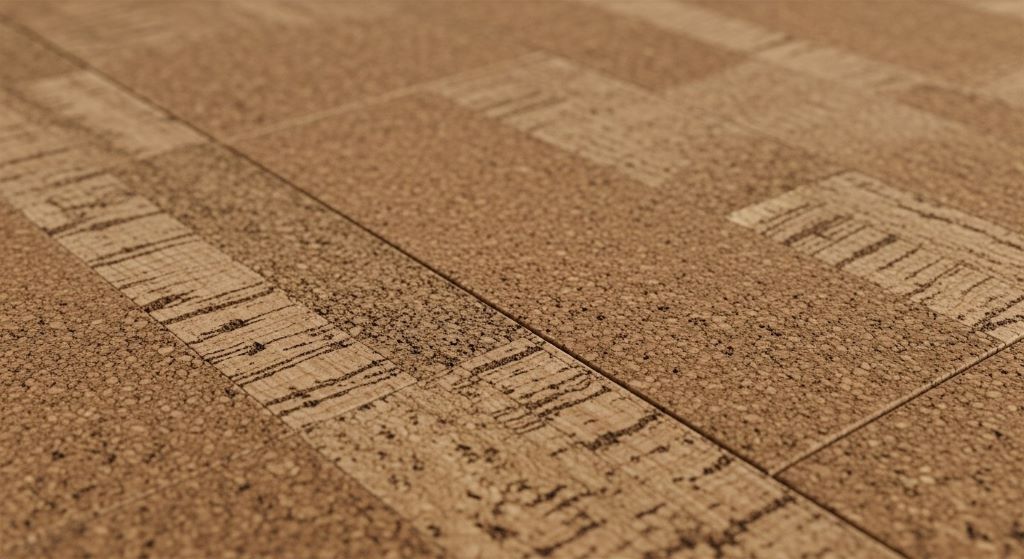
Cork harvesting removes bark from cork oak trees without harming the living tree. Trees regenerate bark every nine to twelve years, making cork completely renewable. Mediterranean cork forests support diverse ecosystems and prevent desertification.
Natural cork provides exceptional comfort underfoot due to millions of air-filled cells in its structure. This cushioning effect reduces fatigue during extended standing. Therefore, cork suits kitchens, home offices, and spaces requiring comfortable flooring.
Thermal and acoustic insulation properties make cork energy-efficient. The material naturally regulates temperature and absorbs sound. Additionally, cork resists mold, mildew, and insects due to suberin, a waxy substance in its cellular structure.
Cork flooring comes in tiles and planks with various installation methods. Glue-down tiles offer permanent installation, while floating floors allow easier replacement. Pre-finished options simplify installation, though some homeowners prefer finishing cork after installation for custom appearances.
Maintenance requires periodic sealing to protect against moisture and wear. Water-based polyurethane sealers maintain eco-friendly properties while providing durability. However, cork can dent under heavy furniture, so use protective pads under legs.
According to The Washington Post, cork flooring has gained popularity among environmentally conscious homeowners for its sustainability and comfort properties.
Jute and Sisal: Natural Fiber Rugs and Tiles
Jute grows rapidly in tropical regions, reaching maturity in just four to six months. This annual plant requires minimal pesticides and fertilizers. Harvesting jute actually improves soil quality for subsequent crops.
Sisal comes from agave plants thriving in arid conditions with little water. These hardy plants grow in areas unsuitable for food crops. Therefore, sisal cultivation doesn’t compete with agricultural land needs.
Both fibers create textured, casual flooring with natural earth tones. Jute offers softer texture suitable for bedrooms and low-traffic areas. Sisal provides greater durability for family rooms and hallways. Additionally, these materials work beautifully in coastal and natural design aesthetics.
Wall-to-wall installation uses jute or sisal broadloom secured with tack strips. Area rugs offer flexible placement and easier maintenance. Moreover, backing materials should be natural latex rather than synthetic for complete eco-friendliness.
Moisture sensitivity limits jute and sisal to dry interior spaces. Avoid these materials in bathrooms, kitchens, or basements prone to dampness. However, they excel in climate-controlled living areas with proper care.
Regular vacuuming maintains appearance by removing dirt that can abrade fibers. Spot cleaning should use minimal water and natural cleaners. Furthermore, rotating furniture and rugs prevents uneven wear patterns.
Seagrass Flooring: Durable and Water-Resistant
Seagrass grows in flooded rice paddies after harvest, utilizing otherwise idle agricultural land. This sustainable growing method requires no additional irrigation or pesticides. Farmers benefit from dual crops on the same land.
Natural seagrass contains silica, making it inherently stain-resistant and non-absorbent. Unlike other plant fibers, seagrass handles moisture better, though it shouldn’t face constant wetness. This property makes seagrass suitable for mudrooms and casual dining areas.
Texture remains somewhat coarse compared to softer plant fibers. The natural variation in seagrass creates organic patterns and color differences. Additionally, seagrass naturally resists static electricity buildup.
Installation typically involves stretching broadloom over padding and securing with tack strips. Some manufacturers offer seagrass tiles with backing for easier installation. However, professional installation often produces better results given material characteristics.
Color options remain limited to natural greens, browns, and tans since seagrass doesn’t accept dyes well. This limitation appeals to homeowners seeking authentic natural aesthetics. Moreover, the consistent earthy palette coordinates easily with various decor styles.
Maintenance requires only regular vacuuming and occasional damp mopping. Avoid excessive water that could loosen backing adhesives. Furthermore, seagrass naturally darkens slightly over time, creating richer patinas.
Coir Flooring: Coconut Fiber Durability
Coir comes from coconut husks, a byproduct of coconut processing. Using this material prevents agricultural waste while creating income for coconut-growing regions. Therefore, coir represents excellent circular economy principles.
Exceptionally coarse texture makes coir extremely durable in high-traffic areas. The rough surface effectively scrapes dirt from shoes, making coir ideal for entryways. Additionally, this texture provides excellent traction even when slightly damp.
Natural brown color and rustic appearance suit casual, tropical, or coastal design schemes. Coir typically comes in mats, runners, and area rugs rather than wall-to-wall installations. However, some specialty suppliers offer coir tiles for larger coverage.
Outdoor durability surpasses most natural plant fibers. Coir mats withstand weather exposure on covered porches and patios. Nevertheless, direct rain exposure eventually degrades fibers, so protection extends lifespan.
Maintenance involves shaking or vacuuming to remove embedded dirt. Hosing down outdoor coir mats removes accumulated debris. Moreover, allowing complete drying between cleanings prevents mold growth.
According to Real Simple, natural fiber flooring options like coir and jute provide sustainable alternatives while adding organic texture to interior spaces.
Linoleum: Plant-Based Resilient Flooring
True linoleum consists of linseed oil, cork powder, wood flour, and natural resins on jute backing. This composition makes linoleum completely biodegradable. However, many people confuse linoleum with vinyl, which contains synthetic materials.
Manufacturing involves oxidizing linseed oil and mixing it with natural fillers. The mixture presses onto jute backing and cures for weeks. This natural process creates durable, resilient flooring without plastic components.
Color permeates throughout linoleum thickness rather than being surface-applied. Scratches and wear remain less noticeable since color continues through the material. Additionally, antimicrobial properties develop naturally as linseed oil cures.
Installation options include glue-down sheets, tiles, and click-lock planks. Professional installation ensures proper adhesive application and seam sealing. Moreover, linoleum requires acclimation to room temperature and humidity before installation.
Durability rivals vinyl while maintaining eco-friendly credentials. Linoleum withstands heavy traffic for decades with proper maintenance. Furthermore, manufacturers offer extensive warranty coverage reflecting material longevity.
Regular sweeping and damp mopping maintain appearance. Periodic waxing or polishing restores shine and adds protection. However, excessive water can damage jute backing, so use minimal moisture during cleaning.
Comparing Costs and Longevity
Bamboo flooring costs range from three to eight dollars per square foot for materials. Installation adds two to five dollars per square foot depending on method and complexity. Therefore, total bamboo flooring costs compete favorably with mid-range hardwoods.
Cork prices typically run four to eight dollars per square foot for materials. Professional installation adds similar costs to bamboo. However, DIY-friendly click-lock options reduce overall expenses.
Natural fiber rugs and tiles vary widely based on fiber type and quality. Jute and sisal cost two to six dollars per square foot. Seagrass and coir fall within similar ranges. Additionally, area rugs offer lower commitment than wall-to-wall installations.
Linoleum materials cost four to eight dollars per square foot. Professional installation proves nearly essential, adding three to six dollars per square foot. Nevertheless, forty-year lifespans make linoleum cost-effective long-term.
Longevity depends on quality, traffic, and maintenance. Properly maintained bamboo lasts twenty-five years or more. Cork achieves similar lifespans with regular sealing. Moreover, natural fiber rugs last five to fifteen years depending on traffic and care.
Installation Considerations for Plant Fiber Floors
Subfloor preparation proves critical for successful plant fiber flooring installation. Surfaces must be clean, dry, and level. Moisture barriers protect plant fibers from concrete subfloor dampness. Additionally, proper acclimation prevents expansion and contraction issues.
Climate control maintains stable humidity levels protecting plant fiber floors. Excessive humidity causes expansion, while dry conditions promote shrinkage. Therefore, maintaining forty to sixty percent relative humidity preserves dimensional stability.
Underlayment choices affect comfort, sound control, and moisture protection. Cork and foam underlayments add cushioning beneath floating floors. Moisture barriers prove essential over concrete. Moreover, some plant fiber products include integrated underlayment.
Professional installation ensures proper techniques and warranty coverage. However, many plant fiber options suit confident DIYers. Click-lock systems simplify installation compared to glue-down methods. Furthermore, rental tools make professional-quality results achievable.
Maintenance and Care for Plant Fiber Floors
Regular sweeping or vacuuming removes abrasive dirt particles that damage plant fibers. Use soft bristle attachments avoiding beater bars that can pull fibers. Additionally, entrance mats reduce tracked-in dirt and moisture.
Damp mopping suits most plant fiber floors when using minimal water. Excess moisture damages natural materials and backing adhesives. Therefore, immediately wipe spills and use well-wrung mops.
Natural cleaning solutions protect eco-friendly flooring properties. Vinegar and water mixtures clean effectively without harsh chemicals. However, test cleaners in inconspicuous areas before applying to entire floors.
Furniture pads prevent denting and scratching on softer plant fibers. Felt pads under chair and table legs distribute weight. Moreover, area rugs protect high-traffic paths across natural fiber floors.
Refinishing options vary by material type. Bamboo and cork can be sanded and refinished like hardwood. Natural fiber rugs and tiles require replacement when worn. Additionally, linoleum benefits from periodic waxing maintaining appearance.
Conclusion
Eco-friendly flooring options using natural plant fibers provide sustainable alternatives to conventional materials. Bamboo, cork, jute, sisal, seagrass, coir, and linoleum each offer unique properties suited to different spaces and design preferences. These renewable materials reduce environmental impact while delivering durability, comfort, and natural beauty. Therefore, homeowners can create healthy, sustainable interiors without sacrificing style or performance. Proper selection, installation, and maintenance ensure plant fiber floors serve beautifully for decades while supporting environmental stewardship.
Frequently Asked Questions
Are plant fiber floors suitable for homes with pets?
Plant fiber floors handle pet traffic reasonably well, though some materials outperform others. Bamboo and cork resist scratches better than softer natural fiber rugs. However, all plant fibers require prompt cleanup of pet accidents to prevent staining and odor absorption.
How do plant fiber floors compare to hardwood in durability?
Strand-woven bamboo exceeds many hardwoods in hardness ratings. Cork provides different durability through resilience rather than hardness. Natural fiber rugs last five to fifteen years compared to hardwood’s decades, but cost less and offer easier replacement.
Can you install plant fiber flooring over radiant heating?
Bamboo, cork, and linoleum work well with radiant heating systems when properly installed. Follow manufacturer specifications for maximum temperature settings. However, natural fiber rugs and tiles generally shouldn’t cover radiant heat due to insulating properties.
Which plant fiber flooring works best in kitchens?
Cork and linoleum suit kitchens best among plant fiber options due to moisture resistance and comfort. Bamboo works if spills receive immediate attention. Avoid jute, sisal, and seagrass in kitchens where water exposure proves common.
Are plant fiber floors truly eco-friendly throughout their lifecycle?
Most plant fiber floors offer significantly lower environmental impact than synthetic alternatives. Look for certifications ensuring sustainable harvesting, low-VOC adhesives, and minimal transportation distances. Additionally, biodegradability at end-of-life completes the eco-friendly lifecycle for most plant fiber materials.
Related Topics:
Organic Green Tea Leaf Oxidation Levels Guide
Natural And Eco-Friendly Personal Care Products | Green Hygiene Essentials

Similar Posts