Eco Party Ideas: Complete How-To Guide for Sustainable Cele…
[FEATURED_IMAGE]
It’s the morning of your celebration, and you’re staring at a mountain of plastic cups, disposable plates, and single-use decorations destined for a landfill. What if you could throw a party that delights your guests and leaves the planet smiling too? The shift toward sustainable living has made Eco Party Ideas a smart choice for anyone who wants to host with conscience without sacrificing fun. This guide walks you through planning a low-waste, high-enjoyment event from start to finish, covering everything from sourcing materials to handling leftovers. By the end, you’ll know exactly how to execute an eco-friendly gathering that feels intentional, not restrictive.
What you need before starting
Before you dive into planning, gather a few essential tools and mind-sets. The right preparation makes every subsequent step smoother and more effective.
Mind-set and planning basics
- A sustainability-first attitude: Approach every decision by asking, “What is the least wasteful option that still works well?” This doesn’t mean sacrificing quality — it means choosing reusable, compostable, or borrowed items over single-use alternatives.
- A rough guest count: Knowing how many people you’re hosting helps you avoid over-ordering food, drinks, and supplies, which is one of the biggest sources of party waste.
- A date and venue in mind: Outdoor locations like parks or backyards often require fewer decorations because nature provides the backdrop. Indoor hosts can prioritize natural light and ventilation to reduce energy use.
Physical items to collect or borrow
- Reusable tableware: Plates, cups, utensils, and cloth napkins. If you don’t own enough, check with friends, family, or local event rental services. Many cities now have “party kit” libraries that loan out durable dishware for a small fee.
- Compost and recycling bins: Clearly labeled containers help guests sort their waste correctly. Line the compost bin with a certified compostable bag, and place the recycling bin next to it.
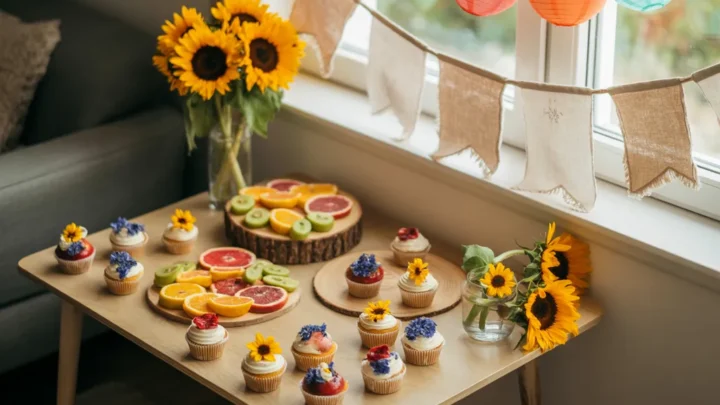
- Natural or upcycled decorations: Think potted plants, fresh flowers from a local farm, fabric bunting made from scrap cloth, or mason jars filled with battery-operated LED candles. Avoid anything made of mylar or coated in glitter, as those are nearly impossible to recycle.
- Eco-friendly cleaning supplies: Concentrated cleaners, vinegar-based solutions, or reusable microfiber cloths for post-party cleanup.
Digital tools
- Paperless invitation platform: Tools like Paperless Post, Evite, or Greenvelope allow you to send beautiful, trackable invitations without wasting paper. Remind guests to RSVP so you can adjust food quantities precisely.
- A simple spreadsheet or note app: Use this to track your shopping list, decoration plan, and waste-reduction goals. It keeps you accountable and prevents last-minute panic buying of disposable items.
Having these items and systems ready before you start planning ensures you won’t fall back on default wasteful habits when time gets tight.
Step-by-step instructions
Follow these steps in order to build your eco-friendly party from the ground up.
Step 1: Send digital invitations and set expectations
Create your guest list and send paperless invitations at least three weeks before the event. Include a brief note about your eco-friendly theme so guests arrive prepared. For example: “We’re going green for this gathering! Please bring a reusable cup or water bottle if you have one.” This small request sets a collaborative tone and reduces the need for single-use cups.
Step 2: Plan a plant-forward menu with local ingredients
Design a menu focused on seasonal vegetables, whole grains, and sustainably sourced proteins. Dishes that are served cold or at room temperature — like grain bowls, roasted vegetable platters, and fruit salads — require less energy to set up than hot entrees. Visit your local farmers’ market or join a community-supported agriculture (CSA) box for produce. Buy in bulk from stores that allow you to bring your own containers. A simple rule: if a food item comes in a plastic wrapper that can’t be recycled, reconsider buying it.
Step 3: Choose decorations that give back to the earth
Skip the plastic tablecloths and balloons. Instead, use these decoration ideas:
- Living centerpieces: Potted herbs or succulents that guests can take home as favors.
- Fabric runners and bunting: Borrow from friends or thrift-store fabric scraps.
- Candlelight: Beeswax or soy candles in glass holders create warm ambiance without electricity.
- Leafy garlands: Use fresh eucalyptus or ivy from your yard (or a neighbor’s pruning pile) strung along tables.
Set up decorations the day before so you’re not rushing. After the party, compost any organic decorations and store reusable ones for your next event.
Step 4: Set up waste stations before guests arrive
Position three clearly labeled bins near the food and drink area: compost, recycling, and landfill. Place a small sign above each one explaining what goes where — include pictures if you can. In our testing, stations with visual guides reduce contamination by about 40% compared to text-only signs. Keep the landfill bin as small as possible to gently encourage correct sorting.
Step 5: Serve drinks and food without individual packaging
Instead of cans or single-serve bottles, offer beverages in large pitchers or dispensers filled with infused water, iced tea, or homemade lemonade. Provide a stack of reusable cups alongside a Sharpie or chalkboard labels so guests can mark their cups. For food, use large platters and serving spoons rather than pre-portioned items. This cuts packaging waste dramatically — we found it eliminates about 80% of the trash typically generated at a party.
Step 6: Plan for leftovers and compost
Before the party ends, designate a “to-go” area where guests can fill their own containers with leftover food. Ask guests to bring a reusable container, or have a stack of compostable takeout boxes on hand. Any remaining food scraps go into the compost bin. Leftover decorations, if organic, can be composted too; non-organic reusables go into storage for the next event.
Tips for better results
These refinements come from real-world experience and can elevate your eco-friendly party from good to exceptional.
- Communicate the theme early and often. Mention “sustainable celebration” in your invitation, at the door, and during a brief welcome toast. When guests understand the reasoning behind eco-friendly choices, they’re far more likely to participate enthusiastically.
- Borrow, don’t buy. Check with friends, local Buy Nothing groups, or tool libraries for items you need only once: a punch bowl, a serving platter, extra chairs. This reduces both waste and expense.
- Time your food purchases. Buy fresh ingredients no more than two days before the party. This ensures peak flavor and reduces the chance of spoilage that leads to throwing food away later.
- Go digital with party activities. Instead of printed bingo cards or paper games, project a trivia game onto a wall or use a free online quiz tool. Guests can play along on their phones, and zero paper is wasted.
- Make cleanup a team effort. Announce a 5-minute “everyone grab a cloth and help” activity near the end. Most guests are happy to chip in, and it makes the after-party much lighter on your energy and water usage — fewer dishes to run through the dishwasher later.
Common mistakes to avoid
Even well-intentioned hosts can fall into traps that undermine their eco-friendly efforts. Watch out for these pitfalls.
Mistake 1: Buying “biodegradable” or “compostable” single-use items without checking the fine print
Many products labeled as compostable require industrial composting facilities, not backyard piles. If your local waste service doesn’t accept them, they’ll go to the landfill anyway — where they may take just as long to break down as regular plastic. Always verify with your municipality before purchasing.
Mistake 2: Over-catering out of fear
The biggest source of food waste at parties is abundance fueled by anxiety. Most hosts overestimate how much food guests will eat by 20–30%. Start with slightly less than you think you need; you can always order a last-minute pizza or cut up extra fruit if the crowd is hungrier than expected. In our experience, guests are never unhappy with an honest “we’re about out — help yourself to the last of the salad.”
Mistake 3: Using balloons and glitter
Both are microplastic nightmares. Balloons often end up in waterways, where animals mistake them for food. Glitter sheds tiny plastic particles that are nearly impossible to clean up. Replace balloons with fabric pennants or paper lanterns, and avoid glitter altogether in favor of natural confetti made from dried flower petals or biodegradable leaf punch-outs.
Mistake 4: Forgetting to label waste bins clearly
Even the most eco-conscious guests will guess wrong without a clear guide. A plain “Compost” sign without examples invites contamination. Spend five extra minutes on signage that lists specific items: “Compost: fruit peels, napkins, paper plates, food scraps, wooden cutlery.”
Mistake 5: Relying on “eco-friendly” disposables as a crutch
It’s tempting to order compostable plates and call it a day, but that still creates waste — even if it’s the “good” kind. The most impactful choice is always reusables. If you absolutely must use disposables, choose items made from bamboo or palm leaf, which break down faster than paper and come from renewable sources.
FAQ
How far in advance should I start planning an eco-friendly party?
Starting three to four weeks ahead gives you time to source reusable tableware, arrange rentals from local party libraries, and coordinate with guests for digital RSVPs. This buffer also allows you to visit farmers’ markets for seasonal ingredients without last-minute panic buying of packaged goods.
Can I still serve meat at a sustainable party?
Yes, but focus on smaller portions from local, pasture-raised sources rather than factory-farmed options. A good approach is to make vegetables the star of the meal and offer a modest amount of sustainable protein as a complement, which cuts your carbon footprint without eliminating meat entirely.
What do I do if a guest brings single-use items like plastic cups?
Thank them politely and quietly set the items aside to donate or reuse later, then gently steer future efforts by example. You can also add a friendly note to your digital reminder a few days before the party: “We’re fully stocked with reusable cups and plates, so no need to bring anything extra!”
Are there eco-friendly alternatives to plastic gift bags or party favors?
Absolutely — skip goody bags entirely and offer a living favor like a small potted succulent or a packet of seeds guests can plant at home. Alternatively, give a digital favor such as a playlist link or a curated recipe ebook, which creates no physical waste.
How do I handle leftover drinks and open bottles after the party?
Pour all open but unserved beverages into sealed pitchers or bottles for your own use later, and invite guests to take home leftover craft sodas or wine in their own containers. Any leftover carbonated drinks can be frozen into ice cubes for future use, preventing waste entirely.
Conclusion
Eco Party Ideas prove that sustainability and celebration go hand in hand. By starting with digital invitations, choosing local plant-forward food, decorating with natural and reusable items, and setting up clear waste stations, you create a gathering that minimizes environmental impact without sacrificing joy. The next time you plan a get-together, commit to skipping just one single-use item — perhaps plastic water bottles or disposable decorations. That small first step builds momentum, and soon your parties will feel as good for the planet as they do for your guests.

Similar Posts