Eco-Friendly Skincare and Hygiene Essentials: The Ultimate Guide to Sustainable Beauty

In recent years, eco-friendly skincare and hygiene essentials have surged in popularity. Consumers increasingly demand products that not only nourish the skin but also minimize environmental impact. This shift stems from growing awareness about plastic waste, toxic chemicals, and unsustainable sourcing that plague the beauty industry. According to a 2023 report by Grand View Research, the global natural skincare market is projected to reach $54 billion by 2030, reflecting a major trend toward sustainability. But what truly defines eco-friendly skincare and hygiene essentials, and why should you consider making the switch?
Understanding Eco-Friendly Skincare And Hygiene Essentials
Eco-friendly skincare and hygiene essentials prioritize the environment and human health through sustainable materials, responsible sourcing, and minimal waste. These products often use biodegradable packaging, natural ingredients, and cruelty-free testing methods. They avoid harmful chemicals like parabens, sulfates, and synthetic fragrances, which can damage both skin and ecosystems. For instance, microplastics in scrubs and toothpaste can pollute oceans, harming marine life. By choosing eco-friendly options, you actively reduce your ecological footprint.
The Environmental Impact of Conventional Products
Traditional skincare and hygiene products contribute significantly to pollution. The Environmental Protection Agency estimates that personal care product packaging constitutes nearly 120 billion units of plastic annually worldwide. Much of this plastic ends up in landfills or oceans, taking centuries to degrade. Moreover, many formulations contain chemicals that disrupt aquatic ecosystems once they enter waterways. For example, oxybenzone in sunscreens has been linked to coral reef bleaching. Therefore, shifting to eco-friendly products reduces chemical runoff and plastic pollution.
Benefits for Your Skin and Health
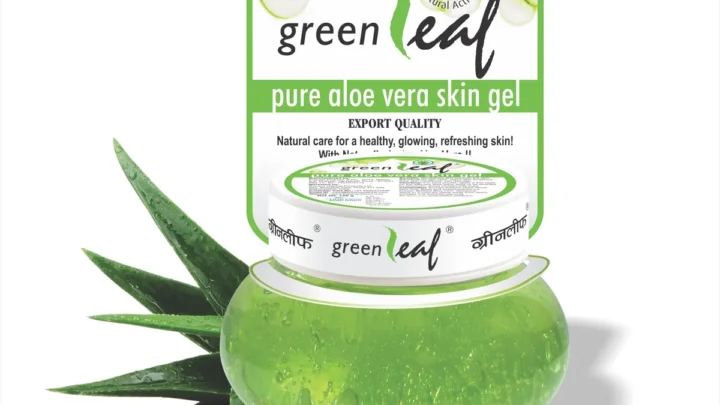
Eco-friendly skincare and hygiene essentials don’t just benefit the planet; they enhance skin health. Harsh synthetic chemicals often cause irritation, allergies, or hormone disruption. Natural ingredients like aloe vera, shea butter, and green tea extract provide nourishing antioxidants and vitamins without harmful side effects. Dermatologists have increasingly endorsed clean beauty products due to their gentle profiles. According to the American Academy of Dermatology, many plant-based ingredients promote skin healing and hydration better than synthetic alternatives.
What to Look for in Eco-Friendly Products
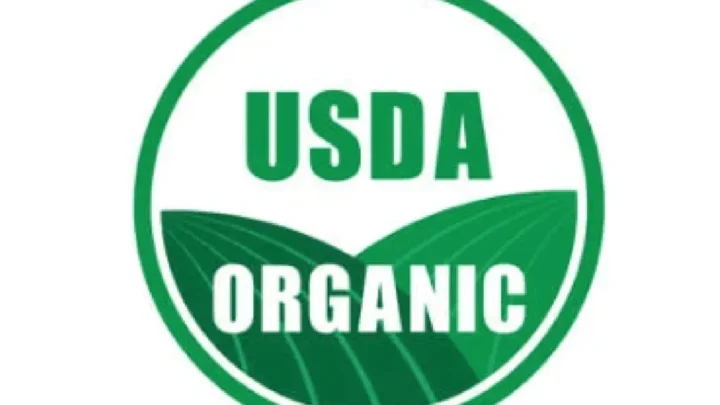
When shopping for eco-friendly skincare and hygiene essentials, focus on ingredient transparency and sustainable certifications. Look for labels like USDA Organic, Ecocert, or Leaping Bunny to verify claims. Additionally, opt for refillable, compostable, or glass packaging to reduce waste. Brands like Lush and Ethique lead the market with solid shampoo bars and reusable containers, proving effective alternatives exist. Avoid single-use plastics and excessive packaging, which counteract sustainability goals. Lastly, check for cruelty-free claims to ensure products align with ethical standards.
Popular Eco-Friendly Skincare & Hygiene Essentials
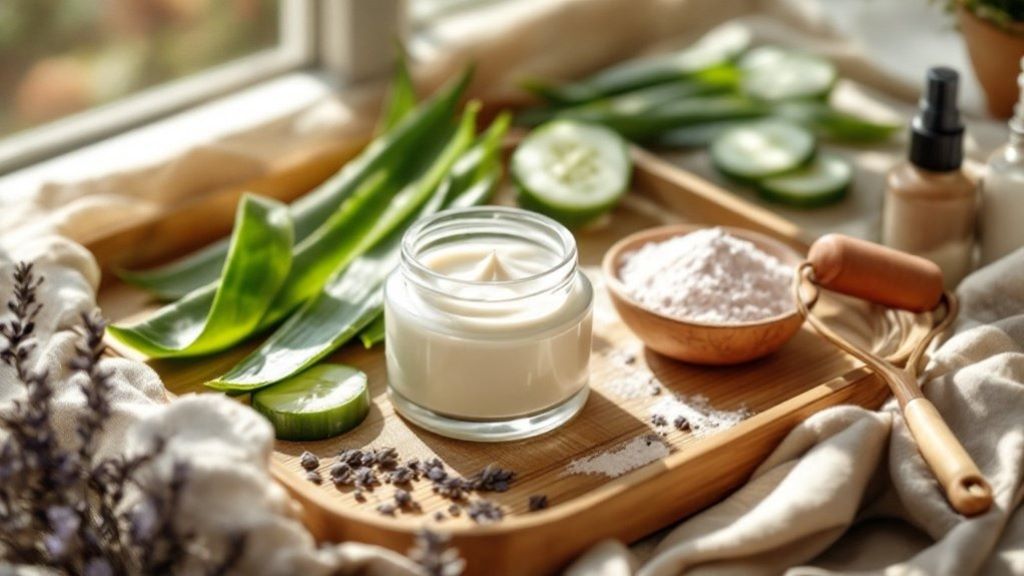
Some categories lend themselves naturally to eco-friendly innovation:
- Solid shampoo and conditioner bars: Eliminate plastic bottles and last longer.
- Bamboo toothbrushes: Biodegradable handles replace plastic, reducing landfill waste.
- Reusable cotton rounds and makeup remover pads: Cut down on disposable cotton waste.
- Natural deodorants: Free from aluminum and parabens, using plant-based ingredients instead.
- Zero-waste soaps and body scrubs: Packaged without plastic and made with organic components.
These essentials prove that sustainable choices can be affordable, practical, and effective. Moreover, they encourage a minimalist routine that benefits both skin and environment.
Challenges and Misconceptions
Some consumers hesitate to switch due to price concerns or doubts about effectiveness. While eco-friendly products may have higher upfront costs, their longer lifespan and skin benefits offer value over time. Another misconception is that “natural” means less effective. However, scientific advances in botanical extracts have created powerful formulations rivaling conventional products. It is critical to research and test products rather than assume. Additionally, greenwashing remains a challenge—some brands exaggerate their eco-credentials. Consumers should scrutinize labels carefully to avoid being misled.
The Future of Sustainable Beauty
Innovation drives the future of eco-friendly skincare and hygiene essentials. Advances in biodegradable packaging, plant-based preservatives, and waterless formulations are transforming the market. For example, refill stations for shampoo and lotion are becoming popular in urban areas to reduce plastic waste. The trend toward personalization also supports sustainability by minimizing overproduction and waste. As more consumers demand transparency, brands will need to prioritize ethical practices. This evolution signals a greener, healthier era in beauty and hygiene.
Expert Opinions and Statistics
Industry experts emphasize that eco-friendly skincare and hygiene essentials represent more than a trend—they are a necessary response to environmental crises. Marie-Claire Daveu, Chief Sustainability Officer at Kering, states that “sustainable beauty is the future because it connects ethics, science, and consumer health.” Meanwhile, a Nielsen survey reports that 73% of global consumers say they would change consumption habits to reduce environmental impact. These figures underscore the growing collective responsibility and the power of individual choices.
Practical Tips for Transitioning
Start small by replacing one product at a time. Consider swapping your plastic toothbrush for a bamboo alternative or trying solid soap bars. Research brands that align with your values and support local or smaller businesses to promote sustainable economies. Store products properly to extend shelf life, reducing waste. Lastly, educate yourself continuously—knowledge fuels responsible choices.
Frequently Asked Questions (FAQs)
- What defines eco-friendly skincare and hygiene essentials?
They prioritize natural ingredients, minimal waste packaging, and ethical sourcing, avoiding harmful chemicals and plastics. - Are eco-friendly products more expensive?
Initially, yes. But they often last longer and promote healthier skin, providing better long-term value. - How do I avoid greenwashing?
Look for trusted certifications like USDA Organic or Leaping Bunny and research brand transparency. - Can natural ingredients be as effective as synthetic ones?
Yes, modern formulations harness potent botanical extracts proven through scientific research. - What are some easy eco-friendly swaps?
Try bamboo toothbrushes, solid shampoo bars, reusable cotton rounds, and zero-waste soaps. - Does eco-friendly mean cruelty-free?
Not always, but many eco-friendly products are cruelty-free. Check for certifications to be sure. - How does sustainable packaging help?
It reduces plastic pollution by using biodegradable, refillable, or recyclable materials.
Final Thought
Embracing eco-friendly skincare and hygiene essentials is a powerful step toward a healthier you and a healthier planet. This lifestyle aligns beauty with responsibility, offering effective products that protect skin and the environment. As consumer demand grows, so does the innovation that makes sustainable beauty accessible and exciting. By making informed choices today, you contribute to a greener, cleaner future—one essential at a time.
Read More:
Sustainable Living Tips And Green Home Products
Green Parenting Essentials: Eco Products for Babies And Kids

Similar Posts