Cycling and Walking Trends in Minnesota, MN: Easy Green Ideas for Modern Living
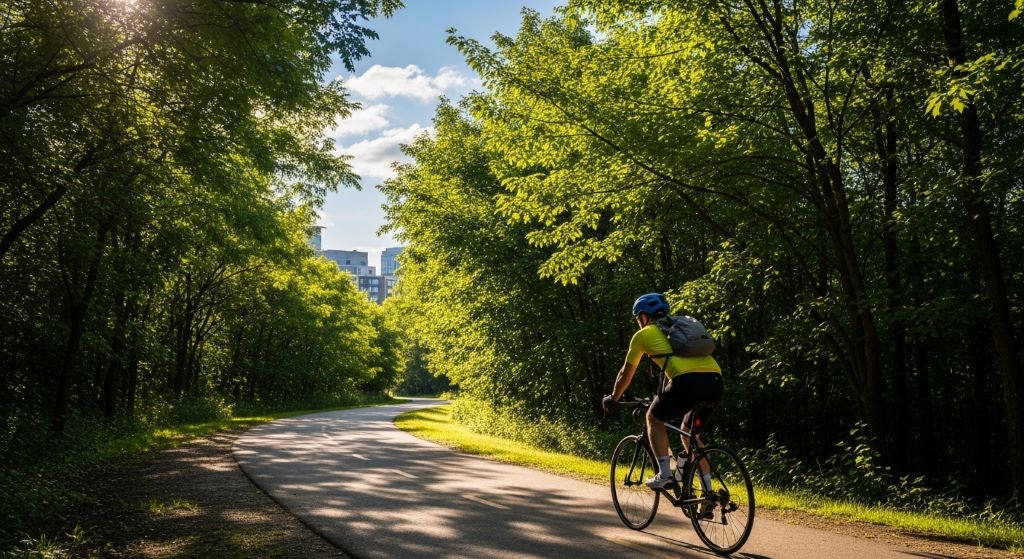
Minnesota is changing the way people move. More residents are choosing bikes and their own two feet over cars. This shift is not just about fitness. It is about building greener, healthier, and more connected communities. From the Twin Cities to smaller towns, cycling and walking are becoming a natural part of daily life.
Why Minnesota Is Embracing Active Transportation
Minnesota may be known for its cold winters, but its residents are tough. Many cyclists and walkers keep going all year long. The state has invested heavily in trails, paths, and bike lanes. These efforts make it easier and safer for people to move around without a car.
Additionally, the culture is shifting. More Minnesotans care about the environment. They want to reduce their carbon footprint. Choosing to walk or bike instead of driving is one of the simplest ways to do that. Therefore, active transportation has grown from a hobby into a lifestyle choice for thousands of people.
The Growth of Cycling Culture Across the State
Cycling in Minnesota has grown steadily over the past decade. Cities like Minneapolis and Saint Paul have added hundreds of miles of protected bike lanes. Smaller cities like Duluth and Rochester are following the same path.
The Minneapolis Midtown Greenway is one of the most popular cycling corridors in the Midwest. It connects neighborhoods, jobs, and parks. Commuters use it daily. Families use it on weekends. It has become a true community spine.
However, cycling is not just for urban areas. Minnesota’s rural trails, like the Cannon Valley Trail and the Root River Trail, draw thousands of visitors each year. These routes pass through forests, along rivers, and through charming small towns. They offer a peaceful way to explore the state while staying active.
Bike-sharing programs have also expanded access. Programs in the Twin Cities allow residents to rent bikes by the hour. This makes cycling easy for people who do not own a bike. It also reduces the barrier to try cycling for the first time.
Walking Trends: More Than Just a Stroll
Walking may seem simple, but it is a powerful form of green transportation. In Minnesota, walking is on the rise for both leisure and commuting. Urban neighborhoods are being redesigned to be more walkable. Sidewalks are being improved. Crosswalks are being made safer. Speed limits near schools and parks are being reduced.
The concept of a “15-minute city” is gaining traction in Minneapolis. The idea is that residents should be able to reach everything they need within a 15-minute walk. Grocery stores, schools, parks, and transit stops should all be nearby. This model reduces car dependency and encourages daily walking.
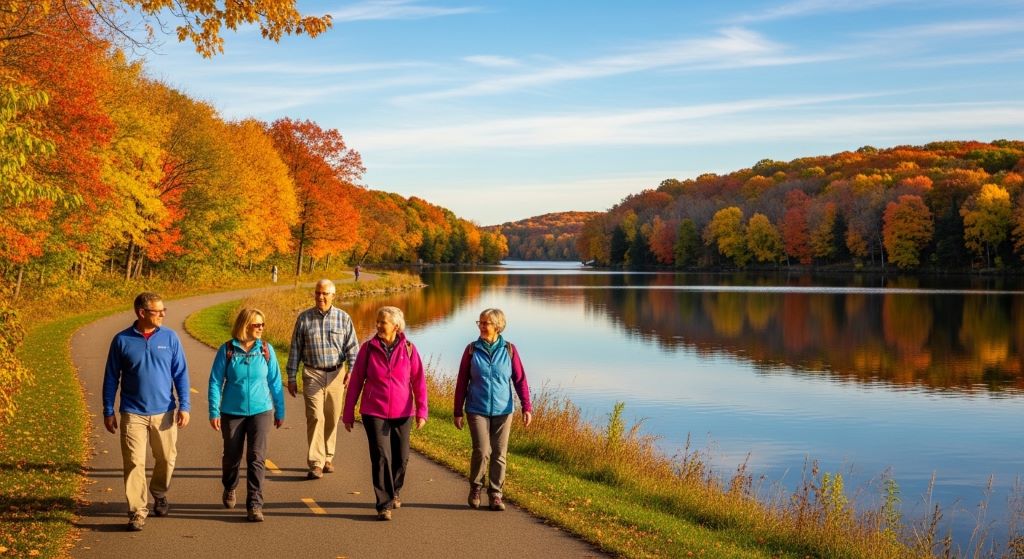
Additionally, walking groups have become popular. Community organizations run regular group walks in parks and neighborhoods. These events bring people together. They also make streets feel safer and more welcoming.
Minnesota’s park system supports walking culture. The state has over 70 state parks with walking trails. Residents can enjoy everything from flat lakeside paths to rugged forest hikes. These spaces invite people to slow down and connect with nature.
Green Benefits of Cycling and Walking
Every bike ride and every walk has a real impact on the environment. Cars are one of the largest sources of greenhouse gas emissions. Therefore, replacing even one car trip per day with a bike ride or walk makes a measurable difference.
In urban areas, less car traffic also means less noise pollution. It means cleaner air. It means streets that feel safer for children and older adults. These are quality-of-life improvements that benefit everyone.
Furthermore, active transportation reduces the need for parking lots and wide roads. Cities can use that land for parks, housing, or green spaces instead. This leads to more attractive and livable neighborhoods.
From a health standpoint, the benefits are equally clear. Regular cycling and walking reduce the risk of heart disease, obesity, and depression. They improve mental health and energy levels. When people feel better, communities function better.
Infrastructure Investment in Minnesota
Minnesota has made real progress in building infrastructure that supports cycling and walking. The state has a long-term Active Transportation Plan. This plan sets goals for expanding trail networks and improving safety.
Local governments are also taking action. Minneapolis has committed to building protected bike lanes on major roads. Saint Paul has added pedestrian plazas and improved crosswalk lighting. Duluth has worked to connect its waterfront trails to neighborhood streets.
However, more work remains. Some suburban and rural areas still lack safe sidewalks or bike paths. Bridges and tunnels that cross highways often feel unsafe for cyclists and walkers. Advocates continue to push for better connections across the full state.
State and federal funding is helping. The Infrastructure Investment and Jobs Act has provided new money for active transportation projects. Minnesota has applied for and received grants to build new trails and repair old ones.
Tips for Getting Started With Green Commuting in Minnesota
Starting a cycling or walking routine does not need to be complicated. Here are some practical ideas to help you begin:
- Start with one day per week. Replace one car trip with a bike ride or walk. Build from there.
- Use trail maps. Minnesota has excellent online resources for finding safe routes near you.
- Dress for the weather. In winter, layering is key. Reflective gear matters in dark mornings and evenings.
- Join a local cycling or walking club. Social motivation helps people stick with new habits.
- Combine with transit. Many buses and light rail trains in the Twin Cities allow bikes on board.
- Explore new routes on weekends. Use leisure rides or walks to discover your city or town at a slower pace.
These small steps add up. Over time, they can lead to big changes in how you travel and how you live.
Community Programs That Support Active Living
Several programs across Minnesota actively promote cycling and walking. These initiatives make it easier for residents to get involved.
Bike Walk Twin Cities is one example. This nonprofit works to make streets safer for cyclists and walkers. They offer free bike safety classes, community rides, and advocacy campaigns.
Open Streets events temporarily close roads to cars. Cyclists, walkers, skaters, and families take over the streets. These events have been popular in Minneapolis, Saint Paul, and other cities. They show what streets could look like with less car traffic.
Safe Routes to School programs help children walk and bike to school safely. These programs work with schools, parents, and local governments. They identify dangerous crossings and work to improve them. They also teach children about bike safety and traffic rules.
Furthermore, employers are getting involved. Some companies offer shower facilities and secure bike parking. Others provide incentives for employees who commute by bike or foot. These small workplace changes can make a big difference.
The Future of Active Transportation in Minnesota
The future looks promising. Younger generations in Minnesota are less attached to car ownership. They value walkable neighborhoods and good cycling infrastructure. This shift in values will drive policy change in the years ahead.
Technology is also helping. Apps make it easier to plan bike and walking routes. E-bikes are expanding the range of people who can cycle regularly. Smart crosswalk systems are improving pedestrian safety at busy intersections.
Climate goals will also push the state forward. Minnesota has set ambitious targets to reduce carbon emissions. Active transportation is a key part of reaching those goals. Therefore, investment in cycling and walking infrastructure is expected to grow.
The vision is a Minnesota where every resident has a safe and convenient option to walk or bike for everyday trips. That vision is not far off. The foundation is already being built.
Conclusion
Minnesota is leading the way in active transportation. Cycling and walking are growing in both cities and rural areas. New infrastructure, community programs, and cultural shifts are making it easier for people to leave their cars behind. The environmental and health benefits are real and significant. Every ride and every walk helps build a greener, healthier Minnesota.
Whether you are a longtime cyclist, an occasional walker, or someone just starting out, there has never been a better time to embrace active transportation in Minnesota. The trails are ready. The community is welcoming. The future is moving forward, one pedal stroke and one step at a time.
Frequently Asked Questions
1. What are the best cycling trails in Minnesota?
Some of the top trails include the Minneapolis Midtown Greenway, the Cannon Valley Trail near Cannon Falls, the Root River Trail in Lanesboro, the Gateway State Trail near Saint Paul, and the Paul Bunyan State Trail in Brainerd. Each offers a different experience, from urban commuting to scenic rural rides.
2. Is it safe to cycle in Minnesota during winter?
Yes, many Minnesotans cycle year-round. The key is preparation. Wear warm, layered clothing and waterproof gear. Use tires with wider treads for better grip on snow or ice. Choose well-lit routes, and always use front and rear lights during dark hours.
3. Are there bike-sharing programs in Minnesota?
Yes. Nice Ride Minnesota operates a bike-sharing program in the Twin Cities. Users can rent bikes at stations across Minneapolis and Saint Paul. Electric bikes are also available, making it easier to travel longer distances.
4. How does walking help the environment in Minnesota?
Walking produces zero emissions. Every walking trip that replaces a car ride reduces greenhouse gas output. It also reduces road wear, noise, and congestion. Over time, more walking trips contribute to cleaner air and lower carbon emissions across the state.
5. What resources are available for new cyclists in Minnesota?
Minnesota offers many resources. Bike Walk Twin Cities provides safety classes and route guides. The Minnesota Department of Transportation has online trail maps. Local bike shops often offer beginner workshops. Many communities also have cycling clubs that welcome new members.
Related Topics:
Sustainable Outdoor Adventure Must-Haves: Your Ultimate Guide to Eco-Friendly Exploration
Discovering the Best Reef-Safe Sunscreen That Isn’t Greasy

Similar Posts