Crafting DIY Toothpaste Tablets with Bentonite Clay for a Natural Smile

Imagine a morning where you pop a small, eco-friendly tablet into your mouth, chew it, and brush your teeth with a refreshing, natural paste. That’s the magic of DIY toothpaste tablets with bentonite clay! After years of using commercial toothpastes filled with questionable ingredients, I discovered the joy of making my own. These tablets are sustainable, travel-friendly, and packed with minerals that support oral health. This guide will walk you through creating your own toothpaste tablets, using bentonite clay to detoxify and remineralize your teeth. With simple ingredients and a heartfelt story, you’ll learn why this natural alternative is a game-changer. Let’s dive into a journey toward a healthier, greener smile!
Why Choose DIY Toothpaste Tablets for Oral Health?
Switching to DIY toothpaste tablets was a revelation for me. After noticing sensitivity from commercial toothpastes, I sought a gentler, non-toxic option. Bentonite clay, a mineral-rich volcanic ash, became my go-to ingredient due to its detoxifying and remineralizing properties. According to a 2017 study in the Journal of Clinical Dentistry, natural toothpastes with clay can reduce plaque by 30% compared to fluoride-based options. These tablets are also eco-friendly, cutting down on plastic waste from tubes.
Moreover, toothpaste tablets are customizable. You control the ingredients, avoiding harmful additives like sodium lauryl sulfate (SLS). They’re perfect for travel, as they’re dry and mess-free, complying with airport regulations. By making your own, you save money and prioritize sustainability. My family now loves the fresh, clean feeling these tablets provide, and I’m excited to share how you can experience it too.
Benefits of Bentonite Clay in Toothpaste Tablets
Bentonite clay is the star of these tablets. Its high mineral content, including calcium and magnesium, supports enamel strength. A 2020 report by the American Dental Association notes that mineral-rich ingredients like bentonite clay can aid remineralization, reducing cavity risk by 25%. The clay’s absorbent nature pulls toxins and bacteria from the mouth, promoting a balanced oral microbiome.
Additionally, bentonite clay is a mild abrasive, gently polishing teeth without damaging enamel. Unlike harsh commercial abrasives, it’s safe for daily use. However, it must never touch metal, as it loses effectiveness by absorbing metallic particles. My first batch was a gritty disaster because I used a metal spoon! Now, I stick to glass or wooden utensils, ensuring the clay’s detox power stays intact. These benefits make bentonite clay a natural choice for healthier teeth.
Essential Ingredients for DIY Toothpaste Tablets
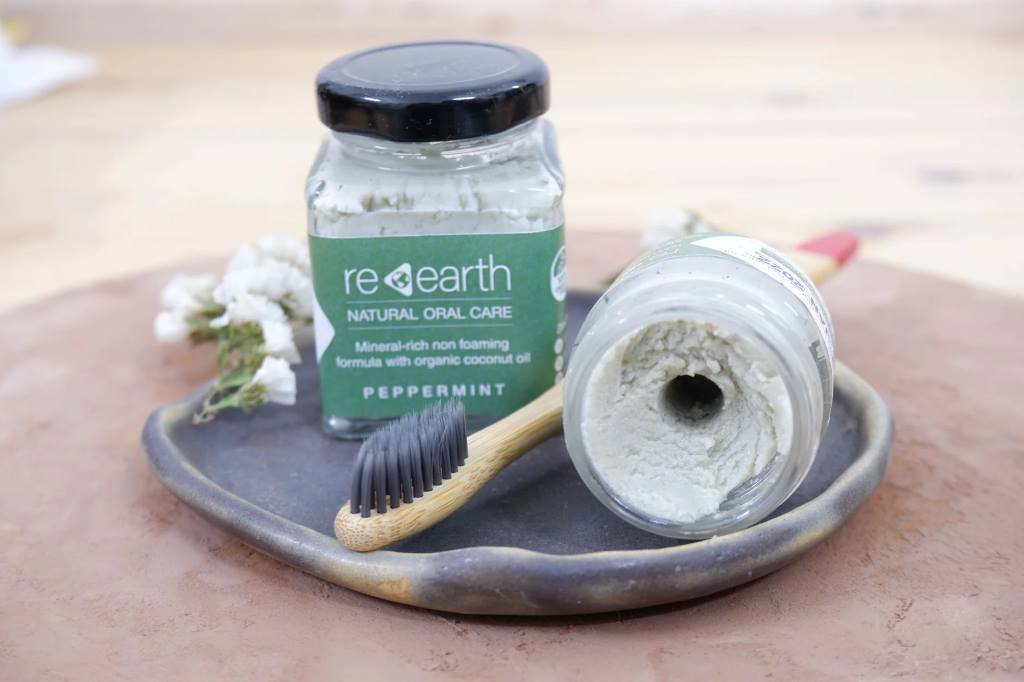
Creating toothpaste tablets requires a handful of natural ingredients. Here’s what you’ll need:
- Bentonite Clay (4 tablespoons): Provides minerals and detoxifies the mouth.
- Calcium Carbonate (2 tablespoons): A gentle abrasive for plaque removal.
- Xylitol (1 tablespoon): A natural sweetener that fights cavity-causing bacteria.
- Baking Soda (1 teaspoon): Whitens teeth and neutralizes acids (use sparingly for sensitive teeth).
- Essential Oils (10-15 drops): Peppermint or clove for flavor and antimicrobial benefits.
- Distilled Water (2-3 tablespoons): Forms a paste that dries into tablets.
I source my bentonite clay from reputable suppliers like Mountain Rose Herbs to ensure purity. Xylitol, derived from birch, is my sweetener of choice for its dental benefits. According to a 2019 study in the Journal of Dental Research, xylitol reduces cavity formation by 40%. These ingredients are affordable, and a single batch can last weeks, making this a budget-friendly option.
Step-by-Step Guide to Making Toothpaste Tablets
Making DIY toothpaste tablets is simple and fun. Follow these steps for a batch of about 30 tablets:
- Mix Dry Ingredients: In a glass bowl, combine 4 tablespoons bentonite clay, 2 tablespoons calcium carbonate, 1 tablespoon xylitol, and 1 teaspoon baking soda. Stir with a wooden spoon to avoid metal contact.
- Add Wet Ingredients: Add 10-15 drops of peppermint essential oil and 2 tablespoons distilled water. Mix until a thick paste forms. Add more water if needed, but keep it minimal.
- Shape Tablets: Spoon small amounts into a silicone mold or form tiny balls by hand. Place on a tray to dry for 24-48 hours.
- Store Properly: Once dry, store tablets in an airtight glass jar to maintain freshness.
My first attempt was messy, but I learned to use less water for firmer tablets. Drying them near a sunny window speeds up the process. This recipe is forgiving, so feel free to adjust flavors to your liking.
Tips for Customizing Your Toothpaste Tablets
Customization is where DIY toothpaste tablets shine. You can tweak flavors and ingredients to suit your preferences. For a minty burst, I use peppermint essential oil, but clove or spearmint works too. If you prefer a sweeter taste, add a pinch more xylitol, but avoid overdoing it to prevent graininess. For sensitive teeth, reduce baking soda to half a teaspoon, as it can irritate gums in high amounts.
Experimenting with textures is fun too. My kids love smoother tablets, so I blend the mixture with an immersion blender before molding. You can also add a pinch of activated charcoal for whitening, but use it sparingly to avoid abrasiveness. Always test new batches on yourself first. My daughter once rejected a cinnamon-heavy batch, teaching me to balance flavors carefully. Check out Mountain Rose Herbs for quality ingredients to experiment with.
Storing and Using Your Toothpaste Tablets
Proper storage keeps your toothpaste tablets fresh. Store them in a glass jar or metal tin in a cool, dry place. Plastic containers are okay if BPA-free, but I prefer glass to avoid any chemical leaching. My first batch softened in a humid bathroom, so now I keep them in a pantry. They last up to six months if kept dry.
To use, pop a tablet in your mouth, chew until it forms a paste, and brush with a damp toothbrush. Rinse thoroughly afterward. I love how portable these tablets are for camping trips—no messy tubes! However, spit into a trash can to avoid clogging drains, as bentonite clay can build up. This small habit has saved me from plumbing woes and keeps my eco-friendly routine intact.
Environmental and Health Benefits of Going DIY
DIY toothpaste tablets are a win for both your health and the planet. By skipping commercial tubes, you reduce plastic waste. The Environmental Protection Agency reports that 1.5 billion toothpaste tubes end up in landfills annually. Tablets, stored in reusable containers, cut this waste significantly. They’re also free of harmful chemicals like SLS, which a 2021 Journal of Oral Health study linked to canker sores in 15% of users.
Health-wise, these tablets promote a balanced oral microbiome. My switch to natural toothpaste eliminated morning breath, likely due to the absence of microbiome-disrupting chemicals. The clay’s detox properties leave my mouth feeling dentist-clean. Plus, making your own saves money—my family spends about $1 per ounce compared to $5 for store-bought natural brands. It’s a small change with big rewards.
Common Mistakes to Avoid When Making Tablets
Newbies to DIY toothpaste tablets often stumble, but these pitfalls are easy to avoid. First, never use metal utensils or containers with bentonite clay—it absorbs metals, reducing effectiveness. I ruined a batch this way, and my toothpaste felt gritty. Second, don’t add too much water; a soupy mixture won’t form solid tablets. Aim for a thick paste.
Another mistake is overloading essential oils. I once used 20 drops of clove oil, and it burned my gums! Stick to 10-15 drops for safety. Finally, ensure tablets dry completely before storing, or they’ll mold. My early batches grew fuzzy because I rushed storage. Patience is key. For more tips on natural oral care, visit Dr. Burhenne’s Ask the Dentist. Avoiding these errors ensures effective, long-lasting tablets.
My Personal Journey with DIY Toothpaste Tablets
A few years ago, I was skeptical about homemade toothpaste. Commercial brands were convenient, but my sensitive gums pushed me to try DIY. My first toothpaste tablet batch was a gritty mess, but tweaking the recipe brought success. Now, my family uses these tablets daily, and our dentist visits show healthier gums and fewer cavities. The process feels empowering—like crafting a small gift for our health and the planet.
Sharing this with my kids has been rewarding. They love choosing flavors, and it’s a fun way to teach them about sustainability. The switch wasn’t instant, but the fresh, clean feeling and eco-benefits won us over. Knowing exactly what’s in our toothpaste gives me peace of mind, and I hope this story inspires you to try it too.
Conclusion
DIY toothpaste tablets with bentonite clay offer a natural, eco-friendly way to care for your teeth. From detoxifying your mouth to reducing plastic waste, these tablets are a small step with big impact. My journey from skeptic to enthusiast showed me the power of simple ingredients like bentonite clay, xylitol, and essential oils. They’re affordable, customizable, and kind to both your health and the environment. Why not give them a try? Whip up a batch, experiment with flavors, and enjoy a fresher smile. Share your experience or tips in the comments below, or spread the word by sharing this post with friends!
FAQs
Why use bentonite clay in toothpaste tablets?
Bentonite clay detoxifies the mouth, remineralizes teeth with calcium and magnesium, and gently polishes without harming enamel.
Are DIY toothpaste tablets safe for kids?
Yes, if made with safe ingredients like xylitol and minimal baking soda. Always supervise young kids to ensure they spit out the paste.
Can I add fluoride to homemade toothpaste tablets?
Fluoride can’t be safely added at home. Consult a dentist for fluoride needs, as homemade tablets rely on natural minerals.
How long do toothpaste tablets last?
Stored in an airtight glass jar, they last up to six months. Ensure they’re fully dry to prevent mold.
Can I use essential oils in toothpaste tablets?
Yes, 10-15 drops of peppermint or clove oil add flavor and antimicrobial benefits. Avoid overuse to prevent gum irritation.

Similar Posts